How to Build a Home Gym in a Small Space: Essential Tips
Learn how to create a functional home gym in a small space. Get tips on equipment selection, floor protection, ceiling height, storage, and purchase sequence.
 By Delia Cochran
Updated September 16, 2026
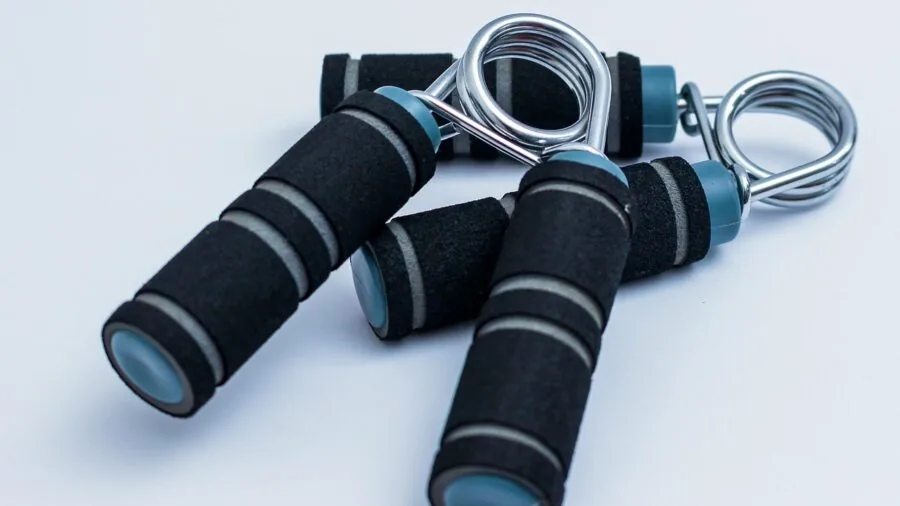
Setting up a home gym in a limited area can feel like a puzzle. You want effective workouts without sacrificing your living space. The key is to prioritize versatile equipment, protect your floors and walls, and think vertically.
This guide walks you through the essential steps to create a functional home gym in even the smallest room or corner.
Assess Your Space and Priorities
Before buying anything, measure your available floor area and ceiling height. Note doorways and windows. Decide which exercises you do most often. If you love strength training, adjustable dumbbells and a bench are a smart start.
For cardio, consider a compact folding treadmill or exercise bike. Your space will dictate what fits, so be realistic. For a deep dive on dumbbell options, check out dumbbell recommendations for home workouts.
Choose the Right Equipment for Small Spaces
Multi purpose gear is your best friend. Adjustable dumbbells replace an entire rack of fixed weights. A quality adjustable bench lets you perform presses, rows, and step ups. Resistance bands and kettlebells take up almost no room.
For a complete overview of home gym essentials, visit the dumbbell and home gym section.
Protect Your Floor and Walls
Heavy weights and dropped dumbbells can damage hardwood or tile. Invest in thick rubber mats or interlocking foam tiles. Place them under your workout area and at least a foot beyond where you might drop a weight.
Also consider wall protection if you use a barbell or perform overhead presses near a wall. Rubber mats also reduce noise, which is important if you live in an apartment.
If you plan to use a barbell set, a power rack with safety bars can protect both you and your floor. For recommendations on barbell sets, see barbell sets for home gym.
Consider Ceiling Height
Standard 8 foot ceilings can limit overhead exercises like standing presses or pull ups. If your ceiling is lower, choose seated versions or use bands.
For pull ups, consider a door frame mounted bar or a free standing pull up station that fits under a low ceiling. Always evaluation the clearance before buying any tall equipment like a power rack or a total workout machine.
Our recommendations for total workout home gym machines include height considerations.
Storage Solutions for Small Spaces
Keep your gear organized to maximize floor space. Use wall mounted racks for dumbbells, kettlebells, and resistance bands. A weight tree or a dedicated stand for adjustable dumbbells keeps them off the floor.
For benches and machines, choose foldable or stackable models. Even a small storage shelf can hold accessories. For a comprehensive look at setting up your space, read home gym setup tips.
Plan Your Purchase Sequence
Start with the essentials: a pair of adjustable dumbbells and an adjustable bench. This covers most strength exercises. Next add a pull up bar or resistance bands for upper body. Then consider a cardio machine if space allows.
Buy in order of frequency of use. Avoid buying large equipment first that might limit your space for other items. If you want to build gradually, a stack home gym can combine multiple functions in one footprint.
See stack home gym options for space saving ideas.
Frequently Asked Questions
How much space do I need for a home gym?
You can start with as little as a 6 by 6 foot area for bodyweight and dumbbell workouts. For a barbell and rack, you need at least 8 by 8 feet. Measure your equipment and allow extra room for movement.
What is the most important piece of equipment for a small home gym?
Adjustable dumbbells are often the best first purchase because they replace many fixed weights. Pair them with an adjustable bench for a wide range of exercises.
How can I protect my floors from heavy weights?
Use rubber gym mats or interlocking foam tiles under your workout area. They absorb impact, prevent scratches, and reduce noise. Make sure the mats are thick enough for deadlifts or dropped weights.
Should I buy a power rack for a small space?
Only if you have sufficient ceiling height and floor space. A power rack is bulky but provides safety for heavy squats and bench presses. Consider a squat stand or half rack if space is tight.
How do I organize my home gym in a small room?
Use vertical storage: wall mounted racks, shelves, and hooks. Keep the floor clear by storing equipment when not in use. Foldable benches and compact machines help maintain an open feel.
About the author
Delia is BestProducts's shopping editor, covering seasonal price cycles, sales events, and the fine print behind return policies, warranties, and store hours. She digs into the timing and the rules that decide whether a listed discount is a real one.