How to Pick a Board Game by Player Count and Playtime
Learn how to pick the perfect board game by analyzing player count, playtime, complexity, and setup time. Avoid mismatched purchases and make every game night a success.
 By Delia Cochran
Updated September 16, 2026
By Delia Cochran
Updated September 16, 2026
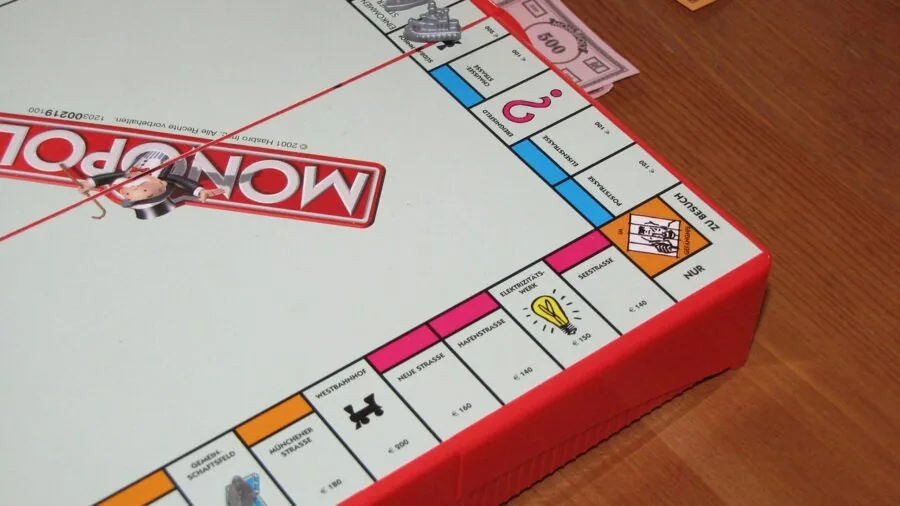
Standing in the game aisle or scrolling through online listings, you have likely seen a box that looks perfect but ends up gathering dust because it never fits your group.
The two biggest factors that determine whether a game hits the table are how many people can play and how long it takes.
Without a clear strategy, you risk buying a game that is either too short for a dedicated group or too long for a casual evening.
This guide will help you read the box the right way and choose a game that actually gets played.
Understand the Player Count Sweet Spot on the Box
The range printed on the box (for example, 2 to 6 players) tells you the possible player count, but the sweet spot is usually narrower. Most games are balanced for a specific number of players, often the middle of the range.
A game that says 2 to 5 may play best with exactly 3 or 4. Reading community discussions or the rulebook can reveal which count gives the best experience.
If you regularly host a group of four, focus on games that list 4 as an ideal count or check our roundup of the 4-player board games for adults for recommendations that are balanced for that size.
Match Playtime to Your Group’s Attention Span
Playtime on the box is an estimate, and real sessions often run longer, especially with new players or large groups. A 30-minute game can stretch to 45 minutes, and a 90-minute game may take two hours.
Consider your group’s typical evening: if you only have one hour, pick a game with a listed time of 45 minutes or less. For longer sessions, games with deeper strategy fit well.
For a wide selection of games organized by playtime, browse the board games category to filter by duration and style.
Consider Weight and Complexity Ratings
Player count and time alone do not tell the whole story. Weight ratings (often on a 1 to 5 scale) indicate how complex a game is to learn and teach.
A lightweight game (1 or 2) is quick to pick up, while a heavy game (4 or 5) may require a full session just to explain rules. Mixing a complex game with a short playtime can be frustrating.
For groups that enjoy tactical decisions, look for medium-weight strategy games, like those featured in the strategy board games of all time roundup. Always factor in the teach time: add at least 15 to 30 minutes for setup and rules explanation.
Factor in Setup and Teardown Time
A game with a 60-minute playtime might actually require 90 minutes once you include sorting pieces and putting everything away. Games with many components or complex boards can eat into precious game night minutes.
If your group values efficiency, look for games with minimal setup, such as card-based games or those that fit in a single box without excess dividers.
For storing and organizing components efficiently, consider using board game component holders to speed up teardown. Also, a good board game bag can make transportation and setup faster when you travel with multiple games.
Think About Replayability and Group Dynamics
The ideal game is one that your group wants to play again and again. Replayability often depends on variable setups, different player powers, or expansion modules. A game that works well with 2 players may not be as fun with 5.
For mixed groups that change size, choose games that scale well across the range. If you often host game nights with a consistent number, a game specifically designed for that count is a safe bet.
For a complete collection that covers various player counts and playtimes, a well-rounded board game set can provide variety without overcomplicating storage.
Frequently Asked Questions
What does the player count range really mean?
The range shows the minimum and maximum number of players the game supports, but the best experience is usually achieved with a smaller subset, often the middle numbers. Always check the rulebook or online consensus for the sweet spot.
How do I know if a game will fit our time slot?
Start with the box’s listed playtime, then add at least 30 percent for setup, teaching, and unexpected delays. If your group is new to the game, expect the first session to take even longer.
Are games with longer playtimes always more complex?
Not necessarily. Some long games are simple to learn but involve many rounds or player interactions. Conversely, some short games are extremely tactical. Check weight ratings and video playthroughs to gauge complexity before buying.
Can I use the same game for both two players and a large group?
Some games are designed to scale well, but many are balanced for a specific count. If you frequently play with both small and large groups, look for games that explicitly support both ends well or consider having two different games for each scenario.
How important is setup time in choosing a game?
Very important, especially for quick get togethers. A game that takes 20 minutes to set up for a 30 minute play may feel inefficient. Prioritize games with simple board layout or component organization to maximize playing time.
About the author
Delia is BestProducts's shopping editor, covering seasonal price cycles, sales events, and the fine print behind return policies, warranties, and store hours. She digs into the timing and the rules that decide whether a listed discount is a real one.