How Battery Platforms Lock You Into a Tool Brand
Choosing a cordless tool means committing to a battery system. Learn how to evaluate battery platforms to avoid being locked into a brand with limited options.
 By Delia Cochran
Updated September 16, 2026
By Delia Cochran
Updated September 16, 2026
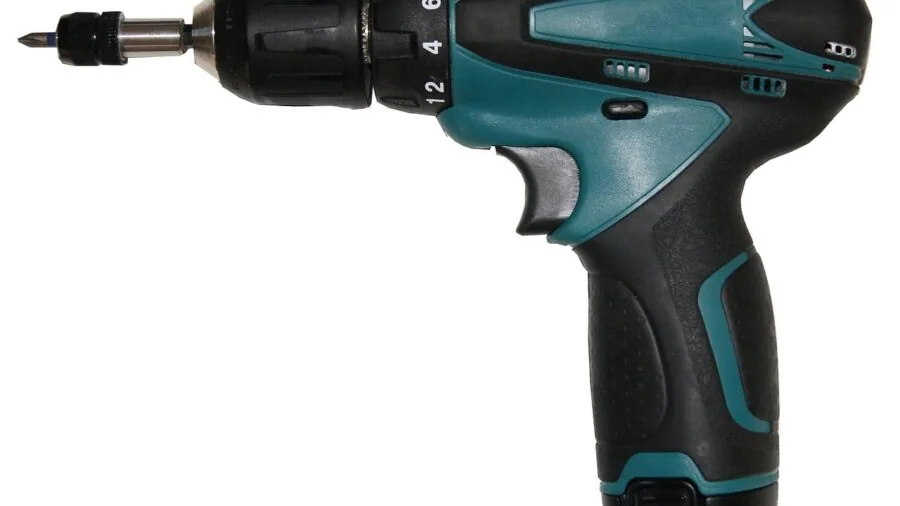
When you buy your first cordless power tool, you might think you are just choosing a drill or an impact driver.
In reality, you are also choosing a battery platform, a system that will quietly lock you into one brand for years.
The battery you buy today determines which tools you can add tomorrow, how much you will spend on spare power packs, and even whether your investment stays useful as new technologies emerge.
Understanding how battery platforms work helps you make a smarter first purchase, one that keeps your options open rather than narrowing them.
What Is a Battery Platform?
A battery platform is the combination of a brand’s battery shape, voltage, connector design, and communication protocol. For example, a 18-volt platform from one manufacturer uses a specific battery pack that fits only that brand’s tools.
Even if two brands both claim 18 volts, their batteries are almost never interchangeable.
This system gives the brand control over its ecosystem, but it also means that once you own a few batteries and a charger, you have a strong incentive to stick with the same brand for future tool purchases.
Why the Platform Matters More Than Your First Tool
The first tool you buy is important, but the battery platform behind it often has a bigger impact on your long term satisfaction.
A high quality drill might feel great in your hand, but if the brand offers a limited lineup of other tools, you could end up frustrated when you need a reciprocating saw or a leaf blower.
On the other hand, a modest drill from a brand with a vast, compatible platform lets you grow your collection seamlessly. That is why experienced users often recommend looking at the entire platform before picking a single tool.
For a closer look at how drills and impact drivers fit into the picture, check out our cordless drill reviews and impact driver picks. These guides break down the features that matter most when you are evaluating a system.
Evaluate the Breadth of the Platform
Before you commit to a brand, count how many different tools run on that battery system. A broad platform includes:
- Drills and impact drivers (the basics).
- Saws (circular, reciprocating, jigsaw).
- Angle grinders and rotary tools.
- Outdoor equipment like string trimmers, leaf blowers, and hedge shears.
- Specialty tools like caulking guns, inflators, and work lights.
Some brands now offer over 200 cordless tools on a single platform. Others have barely a dozen.
If you plan to build a home workshop or maintain a large property, a narrow platform will force you to either buy adapters, which add bulk and reduce performance, or maintain multiple battery systems, which multiplies your cost.
Our cordless drill driver set recommendations can help you see how the first drill you pick fits into a larger ecosystem.
Check Battery Compatibility Across Generations
Not all battery platforms stay the same over time. A few brands have changed their battery designs, making old batteries incompatible with new tools. That can render your investment obsolete.
Look for a manufacturer that maintains backward compatibility, meaning newer tools still work with older batteries and vice versa.
Some brands have used the same battery interface for over a decade, which is a good sign that they prioritize platform stability. Others have switched connectors, leaving early adopters with orphaned batteries.
If you are considering a compact tool, our top compact 18 volt cordless drills highlight models that run on established platforms with strong cross generational support.
Think About Battery Capacity and Power Needs
Battery platforms offer different power packs, typically from smaller, lighter ones to larger, high capacity packs. A platform with a wide range of battery sizes gives you flexibility.
You can use a compact battery for light duty tasks and a high capacity one for demanding jobs like cutting thick lumber or driving large lag bolts.
Some brands also produce high output batteries that deliver more current for tools like high torque impact wrenches. If you plan to tackle heavy automotive work, consider a platform that offers a high capacity option.
Our impact wrench review explains how battery size affects performance in real world use.
Compare the Cost of Additional Batteries
Spare batteries are one of the biggest ongoing expenses in a cordless tool system. Some brands price replacement batteries very high relative to the cost of a new tool kit, while others offer more affordable options.
When evaluating a platform, compare the price of a spare battery to the price of a bare tool. A brand that sells batteries at a moderate markup allows you to expand your collection without breaking the bank.
Also consider whether the brand frequently bundles tools with batteries, which can reduce your per battery cost over time. Remember, the true cost of a platform includes the batteries you will buy years later.
Frequently Asked Questions
Can I use batteries from one brand with another brand’s tools?
Generally no. Most brands design their batteries with unique connectors and voltage requirements that prevent cross brand use. Some third party adapters exist, but they often limit performance and can void warranties.
How long do cordless tool batteries last?
Lithium ion batteries typically hold a good charge for several hundred cycles, roughly three to five years under normal use. Storage conditions, discharge depth, and the number of charge cycles affect lifespan. Always store batteries in a cool, dry place to maximize longevity.
Should I buy a tool with a battery or just the bare tool?
If you already own batteries from the same platform, buying a bare tool (without a battery) is more cost effective. If this is your first tool, a kit with at least one battery and a charger is the smartest way to start building your platform.
Are higher voltage batteries always better?
Not necessarily. Higher voltage means more power for heavy tasks, but it usually adds weight and bulk. For light to medium duty jobs, an 18 volt or 20 volt platform offers a good balance of power and portability.
A 12 volt system is adequate for small, precise work like cabinet assembly.
How can I tell if a battery platform is going to be discontinued?
There is no guaranteed way, but brands that have used the same battery connector for many years and continue to release new tools on that platform are less likely to change it soon.
Avoid platforms that see few new tool releases or that have been replaced by a new connector in other markets.
About the author
Delia is BestProducts's shopping editor, covering seasonal price cycles, sales events, and the fine print behind return policies, warranties, and store hours. She digs into the timing and the rules that decide whether a listed discount is a real one.