Drill vs Impact Driver: Which Tool Belongs in Your First Toolkit
Not sure whether to buy a drill or an impact driver for your first toolkit? This guide compares torque delivery, fastener types, and helps you choose the right tool for your home projects.
 By Delia Cochran
Updated September 16, 2026
By Delia Cochran
Updated September 16, 2026
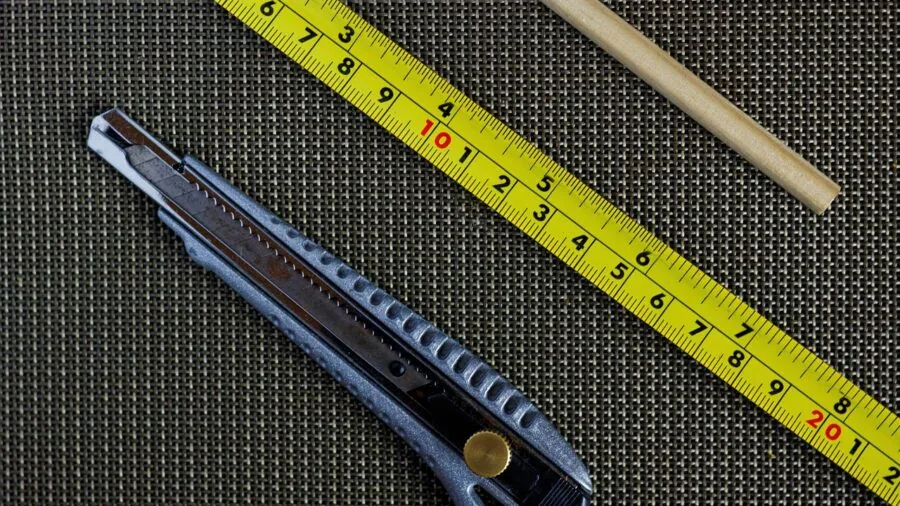
When outfitting a home toolkit for the first time, the choice between a drill and an impact driver often sparks debate.
Both tools spin a chucked accessory, but they deliver torque in fundamentally different ways and excel at different fastener types.
Understanding those differences is the key to spending your budget wisely without ending up with a tool that struggles at the job you need done most.
This guide breaks down the torque delivery, fastener compatibility, and real-world scenarios so you can decide which tool deserves the first spot in your drawer.
Understanding the Difference in Torque Delivery
A standard drill uses a clutch and a constant rotational force to drive bits. This smooth delivery makes it ideal for drilling clean holes in wood, metal, and plastic. An impact driver, by contrast, combines rotation with rapid concussive blows.
These hammering pulses produce much higher peak torque, allowing the tool to sink long screws into dense lumber without stalling or twisting your wrist.
The trade-off is that the impact action can be too aggressive for delicate work, such as driving small screws into softwood or assembling furniture with brittle plastic parts.
If you mostly drill holes, the steady torque of a cordless drill gives you better control. If you fasten large-diameter screws or lag bolts all day, the concentrated bursts of an impact driver save time and effort.
Many professionals own both and switch based on the material and fastener at hand.
Fastener Types Each Handles Best
Match the tool to the fastener, and your projects will move faster with less frustration. Here is a quick breakdown:
- Drill: excels at twist bits, hole saws, and driving screws into softer materials like drywall, plywood, or pine. The adjustable clutch prevents overtightening and strip-out.
- Impact driver: shines with hex-shank bits (screwdriver bits, socket adapters) and is the go-to for driving deck screws, structural lag screws, and self-tapping metal screws. The high torque rattles fasteners into place without needing to push hard.
A common mistake is using a drill to drive dozens of long screws into hardwood. The drill stalls, the battery drains fast, and the user’s arm tires quickly. An impact driver powers through those same screws easily.
Conversely, using an impact driver to drill a precise 1/4-inch pilot hole often results in a wobbly or oversized hole because the hammering action interferes with the bit’s centering.
When a Drill Is the Right First Tool
For a household that needs to hang pictures, assemble flat-pack furniture, and drill occasional pilot holes, a drill is the more versatile starter.
It can accept both round-shank drill bits and hex-shank screwdriver bits (with a simple adapter), though it won’t drive screws as efficiently as a dedicated impact driver.
Many entry-level drills now come with two batteries and a charger, making them a practical all-in-one purchase for light to medium work.
If your projects rarely involve more than a few screws at a time, a quality 18-volt cordless drill driver covers the basics without overwhelming you with specialized features.
When an Impact Driver Makes More Sense
If your routine includes building decks, installing fences, or repairing automotive projects, an impact driver should be your first purchase.
The higher torque and compact head let you work in tight spaces (like between studs) where a drill’s chuck might not fit.
Impact drivers also reduce the risk of cam-out (the bit slipping out of the screw head) because the downward hammering force keeps the bit engaged.
For anyone who drives hundreds of fasteners per month, the time and effort saved justifies the single-tool investment. Check out our roundup of impact drivers to see modern features like brushless motors and variable speed triggers that improve control.
Why Many Tool Kits Eventually Include Both
While this guide helps you prioritize one tool first, the reality is that most serious DIYers and tradespeople end up owning both.
The drill handles precision drilling and delicate screw work; the impact driver takes over heavy fastening and repetitive tasks.
Buying a drill now and adding an impact driver later (especially after you have a battery platform that works across both tools) is a common and cost-effective path.
Some manufacturers even sell combo kits that pair a drill with an impact driver, often at a small premium over a standalone tool.
If you prefer to start with a two-tool setup, a cordless hammer drill and impact driver combination gives you the best of both worlds for most home improvement jobs.
Frequently Asked Questions
Can I use a drill bit in an impact driver?
Yes, but only if the bit has a hex shank that fits the impact driver’s collet. Standard round-shank drill bits require a chuck adaptor, which adds weight and length.
For occasional light drilling, it works, but a drill remains the better choice for any serious drilling task.
Which tool is better for driving screws into hardwood?
An impact driver is significantly better. The hammering action delivers the extra torque needed to sink long screws into dense woods like oak or mahogany without stripping the screw head or stalling the motor.
A drill can do the job, but you will need to push harder and risk overheating.
Do I need both if I only do basic home repairs?
Not necessarily. A single cordless drill can handle 80 percent of common household tasks: drilling holes for anchors, assembling furniture, and tightening screws. You can add an impact driver later if you start tackling larger projects like decking or shed building.
Many homeowners find that a good drill with a two-battery kit, like the cordless drill with 2 batteries, is enough to start.
Is an impact driver too powerful for small screws?
It can be if you use full speed and high torque. However, most modern impact drivers have variable-speed triggers that allow you to feather the speed for delicate work.
For very small screws (like those in electronics or toys), a manual screwdriver or a drill with a clutch is safer to avoid stripping the head.
Can I use an impact driver as a drill?
You can, but it is not ideal. Impact drivers lack the chuck mechanism needed to hold round-shank drill bits securely, and the percussive action makes drilling inaccurate holes.
For occasional light drilling with hex-shank bits it works, but for precise work a drill is still the proper tool.
About the author
Delia is BestProducts's shopping editor, covering seasonal price cycles, sales events, and the fine print behind return policies, warranties, and store hours. She digs into the timing and the rules that decide whether a listed discount is a real one.