How to Read Shoe Width Sizing and Get a Better Fit
Learn how to decode shoe width letters, measure your foot at home, and choose the right width for a comfortable fit. Avoid common mistakes and improve your shoe shopping experience.
 By Delia Cochran
Updated September 16, 2026
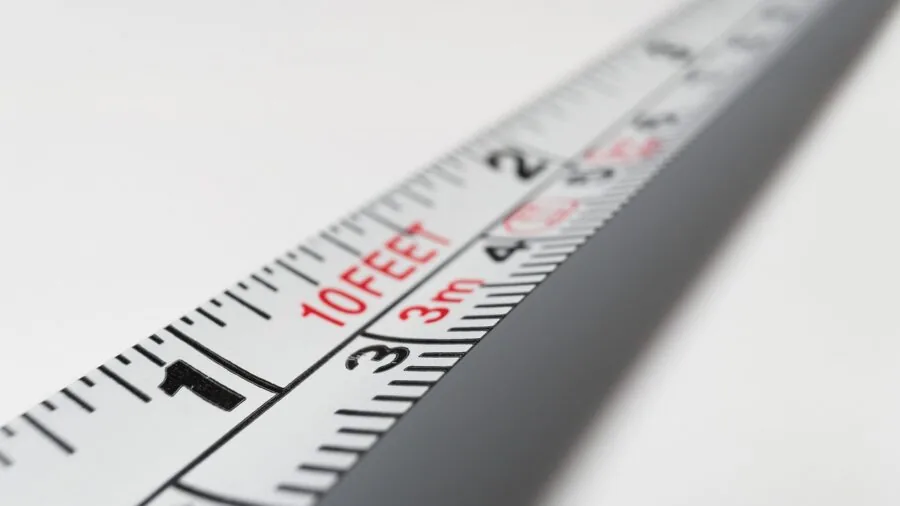
When you shop for shoes, you probably pay most attention to the length. But the width of the shoe is just as important for comfort and foot health.
A shoe that is too narrow can cause pinching, blisters, and long-term issues, while one that is too wide leads to sliding and instability.
Understanding the letter codes used for width and knowing how to measure your own foot width can transform your shoe buying experience.
For a deeper look at how width plays a role in formal footwear, browse our dress shoes for options that prioritize fit.
Understanding Shoe Width Letter Codes
Shoe width is typically indicated by letters that follow the size number. The most common codes are B (narrow), D (medium), E (wide), and EE or 2E (extra wide). However, the meaning shifts between men’s and women’s sizing.
For women, B is the standard medium width, while D is wide. For men, D is the standard medium, and EE is wide. Some brands use additional letters like A for very narrow or EEE for extra wide.
Always check the brand’s specific size chart, because a “D” in one brand may fit differently than a “D” in another.
If you’re shopping for men’s casual styles, our guide to men’s casual dress shoes includes width considerations.
Why Length Alone Isn’t Enough
Many people assume that if a shoe feels tight across the toes, they need a longer size. But sizing up often creates heel slippage and a loose fit through the midfoot. The real issue is often width.
A shoe that is too narrow forces your foot to compress, leading to blisters, bunions, and fatigue. Conversely, a shoe that is too wide allows your foot to slide, causing instability and friction.
Getting the correct width means you can wear the right length without compromising comfort. For demanding jobs, proper width is critical; see our recommendations in all-weather work boots.
How to Measure Your Foot Width at Home
Measuring your foot width at home is simple and requires only a piece of paper, a pen, and a ruler. Follow these steps:
- Place a piece of paper on a hard floor against a wall.
- Stand barefoot on the paper with your heel touching the wall.
- Trace the outline of your foot, keeping the pen vertical.
- Use a ruler to measure the widest part of the outline (usually across the ball of the foot).
- Repeat for both feet, as one foot is often wider.
- Compare your measurement to the brand’s size chart, which typically lists width in inches or centimeters alongside the letter code.
This measurement gives you a reliable starting point. If your measurement falls between widths, opt for the wider option for comfort.
Tips for Trying on Shoes for Width
When you try on shoes, wear the socks you plan to use with them. Lace them fully and walk around the store. Pay attention to these signs of a good width fit:
- Your toes should have room to wiggle without being cramped.
- The sides of your foot should not bulge over the sole.
- There should be no pinching or pressure points after several minutes of wear.
- Your heel should stay in place without slipping.
If a shoe feels too narrow, don’t assume it will stretch with wear. It’s better to try a wider size or a different brand.
For dressy occasions, width is especially important; our roundup of comfortable dress shoes highlights models that accommodate various widths.
When to Consider Specialty Widths
If you have feet that are significantly narrower or wider than average, standard widths may never feel right. Look for brands that offer extended width options, such as AAAA (very narrow) or EEE (extra wide).
This is common in athletic shoes and some dress shoe lines, but less so in budget footwear. For outdoor activities, proper width prevents blisters and fatigue; explore options in our boot selection for wide- and narrow-fit models.
If you need heavy-duty footwear, the right boot includes width guidance.
Common Width Mistakes to Avoid
Even experienced shoppers make these errors:
- Assuming all “D” widths are the same across brands. Width standards vary, so always try on or check the size chart.
- Relying on a “break-in” period to fix a too-narrow shoe. Leather may stretch slightly, but synthetic materials won’t. A shoe that is painfully tight from the start will not become comfortable.
- Sizing up to gain width. This often results in a shoe that is too long, causing blisters at the heel and toes.
- Ignoring the width of both feet. Many people have one foot wider than the other; buy for the larger foot.
By avoiding these pitfalls, you’ll find shoes that fit properly from day one.
Frequently Asked Questions
What does D width mean?
For men, D is the standard medium width. For women, D is considered wide. However, brand-specific charts may differ, so always verify with the manufacturer.
Is wide width the same as EE?
In men’s sizing, EE (or 2E) is typically the standard wide width. Some brands use E for wide and EE for extra wide. For women, D is wide, and EE may be extra wide. Check the brand’s labeling.
How do I know if I need wide shoes?
Signs include visible bulging at the sides of the shoe, persistent blisters on the sides of your feet, numbness or tingling in your toes, and a feeling that your foot is compressed even after lacing loosely.
Can I stretch shoes that are too narrow?
Professional stretching can add a small amount of width, but it won’t transform a shoe that is significantly too narrow. It’s more effective for leather shoes. For most people, buying the correct width is a better long-term solution.
Should I size up if my foot is wide?
Sizing up to accommodate width often leads to a shoe that is too long, causing heel slippage and toe jamming. Instead, look for the same length in a wider width option. Many brands offer wide sizes in standard lengths.
About the author
Delia is BestProducts's shopping editor, covering seasonal price cycles, sales events, and the fine print behind return policies, warranties, and store hours. She digs into the timing and the rules that decide whether a listed discount is a real one.