Leather Grades Explained: How to Choose the Right Leather for Shoes and Bags
Learn the differences between full grain, top grain, genuine, and bonded leather. This guide helps you choose the right grade for shoes and bags and explains how each ages over time.
 By Delia Cochran
Updated September 16, 2026
By Delia Cochran
Updated September 16, 2026
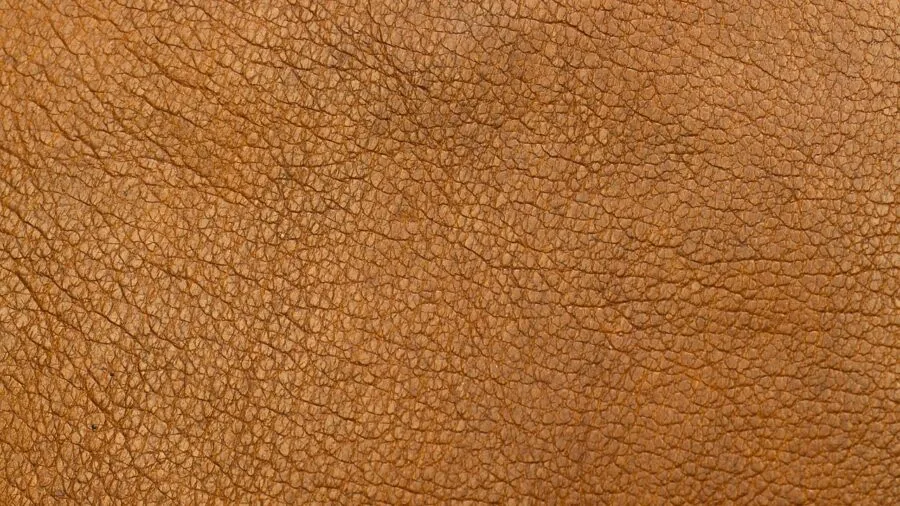
Shopping for leather shoes or a new bag can be overwhelming when you see terms like full grain, top grain, genuine, and bonded leather. Each grade has a different origin, durability, and aging process.
Understanding these differences helps you make a purchase you will love for years, whether you are looking for a rugged work boot or an elegant handbag.
Full Grain Leather: The Gold Standard
Full grain leather comes from the top layer of the hide, retaining the natural grain and all its imperfections. This makes it the strongest and most durable grade. Over time, full grain develops a rich patina that many enthusiasts value.
It is ideal for products that see heavy use, such as boots and briefcases. For example, a well made full grain boot can be resoled and last decades.
If you need a pair for tough jobs, our guide to heavy duty work boots features options built with this material.
Full grain is also breathable and molds to your foot or shape over time. For handbags, full grain leather offers a unique, natural look that becomes more beautiful with age.
It does require some care to keep it conditioned, but the payoff is longevity and character.
Top Grain Leather: A Polished Middle Ground
Top grain leather is the second highest grade. It is the top layer of the hide after the outermost surface has been sanded or buffed to remove imperfections.
This process creates a more uniform and smooth surface, making it popular for luxury goods that need a clean finish. However, sanding removes some of the natural fiber strength, so top grain is not as durable as full grain.
It still ages well but may not develop the same deep patina.
You will often find top grain leather in dress shoes, finer handbags, and travel accessories. Many of the options in our roundup of leather handbags use top grain because it offers a great balance between appearance and longevity.
For briefcases, top grain provides a professional look without the irregular markings of full grain.
Genuine Leather: What It Really Means
The term genuine leather is often misunderstood. In the industry, it refers to leather made from the lower layers of the hide after the top grain has been removed.
It is real leather, but it is weaker and less consistent in texture. Manufacturers often apply a heavy finish to disguise flaws. This grade is commonly used in budget friendly shoes and bags.
While it can still serve for casual use, it does not develop a patina and tends to crack or peel over time.
If you are on a tighter budget, genuine leather can be acceptable for items that do not receive daily wear. But for items you count on for durability, consider stepping up to top grain or full grain.
For example, a pair of hiking boots made from genuine leather may wear out faster than those made from higher grades. Our guide to hiking boots can help you compare materials and features.
Bonded Leather: Know Before You Buy
Bonded leather is not a true leather grade. It is made from leather scraps and fibers that are glued together with a polyurethane coating on top.
It is the least durable option and does not have the breathability or aging qualities of genuine leather. Bonded leather is often used in low cost furniture and accessories, but it can also appear in cheaper shoes and bags.
Avoid it if you want an item that will last more than a couple of seasons, especially for something like a work boot that takes heavy abuse.
If you need a boot that can withstand tough conditions, steer clear of bonded leather. Check our recommendations for outdoor work boots that use sturdier materials.
How to Choose and Care for Your Leather
When selecting leather goods, match the grade to the intended use. For daily wear items like boots or a bag you carry to work, invest in full grain or top grain. For occasional use, genuine leather may be fine.
Bonded leather is best reserved for decor items that see little friction.
Care also varies by grade. Full grain requires occasional conditioning to prevent drying out. Top grain can be wiped clean with a damp cloth and conditioned less often. Genuine leather needs gentle cleaning to avoid damaging the finish.
Bonded leather is the easiest to clean but will not last long regardless of care. Always follow the manufacturer’s recommendations.
For specific types of footwear, such as waterproof boots for wet jobs, you can find options in our guide to waterproof steel toe boots. And if you are shopping for a coordinated look, our selection of shoes and handbag sets can simplify your search.
Frequently Asked Questions
Is genuine leather the same as full grain?
No. Genuine leather comes from lower layers of the hide and is less durable. Full grain is the top layer with all natural fibers intact, making it much stronger and more resistant to wear.
How can I tell the difference between full grain and top grain?
Look at the surface. Full grain will show natural markings like scars and pores. Top grain has a uniform, buffed surface with no visible imperfections. You can also check the edge: full grain edges are rough and fibrous, while top grain edges are smoother.
Does bonded leather last for shoes or bags?
No, bonded leather is very low quality. It tends to peel and crack within months of regular use. It is not recommended for any item that undergoes bending or stress, such as shoes or handbags.
Can I condition genuine leather like full grain?
You can, but genuine leather often has a thick finish that prevents conditioner from penetrating. Conditioning will help the finish stay supple longer, but it cannot repair or strengthen the underlying material.
What is the best leather grade for a daily use bag?
Full grain or top grain are best because they withstand daily wear and aging gracefully. Genuine leather can work if the bag is very affordable and not subjected to heavy loads, but it will show wear faster.
About the author
Delia is BestProducts's shopping editor, covering seasonal price cycles, sales events, and the fine print behind return policies, warranties, and store hours. She digs into the timing and the rules that decide whether a listed discount is a real one.