The Best Portable Generator for Home Backup Power
We evaluated top portable generators for home backup power, focusing on power output, fuel type, and reliability to help you stay prepared during outages.
 By Katherine Henderson
Updated September 12, 2026
By Katherine Henderson
Updated September 12, 2026
When the power goes out, a reliable backup power source can keep your lights on, refrigerator running, and essential appliances working.
Portable generators and power stations offer a flexible solution for home backup, whether you need to power a few devices or your entire house.
In this guide, we’ve researched the best portable generator for home backup power, analyzing specifications, expert reviews, and verified buyer feedback to help you make an informed choice.
Our team at BestProducts evaluated each model against consistent criteria and scored it on our 0 to 10 BP Score. We considered power output, fuel type, runtime, portability, and safety features. Below are our top picks, starting with the best overall.
| Award | Product | BP Score About BP ScoreThe BP Score is our own rating from 0 to 10, based on performance, design and build, ease of use, and value. It reflects independent research and is never influenced by manufacturers, retailers, or affiliate commissions. Learn more › | Price | |
|---|---|---|---|---|
| Best Overall |
 GRECELL 500W/519Wh Portable Power Station
|
9.9/10 | $179.99 | Buy |
| Best Value |
 Jackery Explorer 300 292Wh Power Station
|
9.9/10 | $259.00 | Buy |
| Best Premium |
 Westinghouse 14500W Dual Fuel Generator
|
9.9/10 | $1,349.00 | Buy |
 Oxseryn 4400W Inverter Generator
|
9.8/10 | $309.99 | Buy | |
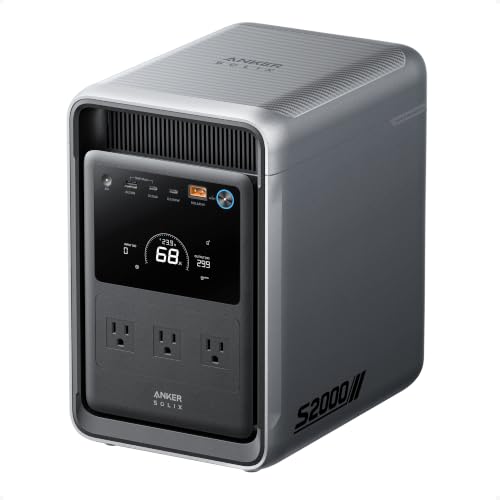 Anker SOLIX S2000 2,010Wh Power Station
|
9.8/10 | $649.99 | Buy | |
| Best Budget |
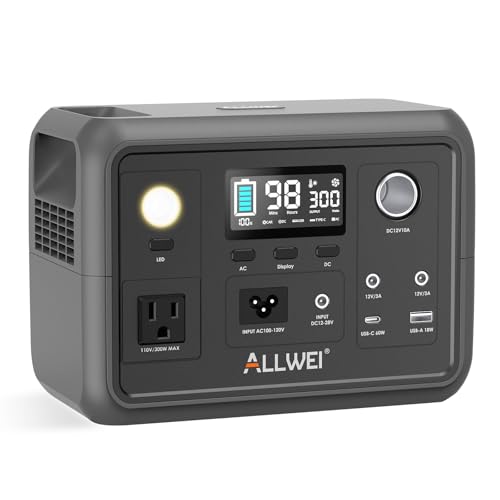 ALLWEI 300W 256Wh Portable Power Station
|
9.6/10 | $149.00 | Buy |
 Westinghouse WGen9500DF Dual Fuel
|
9.6/10 | $999.00 | Buy | |
 LIBRIDS 640Wh LiFePO4 Power Station
|
9.6/10 | $209.09 | Buy | |
 Oxseryn 4400-Watt Open Frame Inverter Generator
|
9.6/10 | $299.99 | Buy |
GRECELL 500W/519Wh Portable Power Station
This 500W portable power station delivers 519Wh of capacity and pure sine wave output to run essential devices like laptops, fans, and CPAP machines. It offers 10 output ports including USB-C PD 60W and wireless charging, with three recharge options via AC, car, or solar panel (sold separately). Ideal for camping or emergency backup.
Pros
- Pure sine wave inverter protects sensitive electronics
- 10 output ports including USB-C PD 60W and wireless charger
- Three recharging methods: AC, car, solar
- Built-in BMS for overvoltage, overcurrent, short circuit protection
- Quiet, fume-free operation
Cons
- Max load limited to 500 watts
- Solar panel not included
- Battery requires use or recharge every three months
Jackery Explorer 300 292Wh Power Station
The Jackery Explorer 300 is a lightweight portable power station with a 292Wh capacity and LiFePO4 battery that lasts over 4,000 charge cycles. It can power up to six devices simultaneously, including laptops and drones, and supports fast solar charging for off-grid use.
Pros
- Very lightweight for its capacity
- LiFePO4 battery lasts thousands of cycles
- Fast solar charging capability
- Multiple ports for diverse devices
- Compact and portable design
Cons
- No built-in display for detailed status
- Limited to 300W continuous output
- Solar panels sold separately
Westinghouse 14500W Dual Fuel Generator
A high-power backup generator with dual fuel capability, suitable for larger homes needing reliable portable power. It offers 14,500 peak watts on gasoline and 13,500 on propane, with low THD for sensitive electronics and a long 19-hour runtime on a full tank.
Pros
- High peak and running wattage
- Long runtime on gasoline
- Low THD for electronics safety
- Remote electric start included
- Durable cast iron engine sleeve
Cons
- Heavy at 230 pounds
- Large footprint requires ample space
- Shorter runtime on propane
Oxseryn 4400W Inverter Generator
This portable inverter generator offers 4400 peak watts and 3400 running watts for RV camping and home backup. It combines a quiet 72 dBA noise level with up to 14 hours runtime in ECO mode, and includes an RV port, making it a solid mid-range choice.
Pros
- Quiet for an open frame generator
- Long run time with ECO mode
- Comes ready for RV use
- Easy to move compared to typical
- Includes DC port for battery charging
Cons
- Limited to 3400 running watts for
- Open frame may not suit quiet areas
Anker SOLIX S2000 2,010Wh Power Station
The Anker SOLIX S2000 portable power station delivers a generous 2,010Wh capacity with a durable LFP battery rated for 10,000 charge cycles. It keeps a refrigerator running for up to 35 hours, and its compact, lightweight build (35.7 lbs) makes it easier to move than many competing models. This station is a solid choice for home backup or off-grid use, especially if you value long battery life and flexible recharging options.
Pros
- Very low idle power consumption
- Long-lasting LFP battery (10,000 cycles)
- Compact and lightweight for its capacity
- High 3,000W peak output
- Multiple recharging options
Cons
- No 12V DC port
ALLWEI 300W 256Wh Portable Power Station
This portable power station uses long-lasting LiFePO4 batteries to deliver 300W of continuous power from a compact 6.4-pound unit. With six output ports and multiple recharging options including solar, it's a versatile companion for camping trips or home backup.
Pros
- Long lifespan with 3000 charge cycles
- Compact and lightweight at 6.4 lbs
- Multiple charging options and fast dual recharge
- 6 output ports including USB-C PD 60W
- Integrated MPPT for efficient solar charging
Cons
- 300W output limits high-power appliances
- Solar panel not included
- No wireless charging pad
Westinghouse WGen9500DF Dual Fuel
This dual fuel generator delivers 9,500 running watts on gasoline or 8,500 on propane, making it a reliable backup for home power outages. It includes remote start via key fob, runs up to 12 hours per tank, and has outlets ready for transfer switches and RVs.
Pros
- Remote start with key fob
- Dual fuel for gasoline and propane
- High 9,500 running watts on gas
- Long runtime up to 12 hours
- RV ready and transfer switch ready outlets
Cons
- Very heavy at 209 pounds
- May have residual oil or fuel odor from factory
- Large footprint at 27.2 x 26.1 inches
LIBRIDS 640Wh LiFePO4 Power Station
This portable power station packs a 640Wh LiFePO4 battery and 600W output (1200W surge) into a compact metal enclosure. It is a solid choice for home backup, camping, or emergency use, with 8 output ports and a 10ms UPS switch that keeps essentials running during outages.
Pros
- Fast 1.5-hour AC recharge
- 4000+ cycle LiFePO4 battery
- 10ms UPS for uninterrupted power
- Pure sine wave output for sensitive devices
- Durable metal enclosure with good heat dissipation
Cons
- Indoor use only in adverse weather
Oxseryn 4400-Watt Open Frame Inverter Generator
The Oxseryn 4400-Watt Open Frame Inverter Generator provides 4400 peak and 3400 running watts for emergency home backup or RV trips. Its inverter technology and ECO mode help improve fuel efficiency, and it includes a 30A RV outlet and 14-hour runtime at 25% load. At 57 pounds, it's lighter than many comparable models, though the factory inspection note warns of a possible initial gas smell.
Pros
- Powerful 4400 peak and 3400 running watts
- Inverter technology for clean, stable power
- ECO mode enhances fuel efficiency
- RV ready with 30A outlet and 14-hour runtime
- Lightweight at 57 pounds for easy portability
Cons
- Possible gas smell upon first use from factory inspection
Best Portable Generator for Home Backup Power Buying Guide
Power Output and Capacity
The most critical factor is how much power you need. For home backup, consider both running wattage (continuous) and peak wattage (surge).
A generator that can handle your essential loads, refrigerator, lights, sump pump, furnace fan, typically requires at least 5000 running watts. Larger homes may need 10000 watts or more.
Portable power stations, while quieter and cleaner, have limited capacity measured in watt-hours (Wh). For short outages, a 500, 2000Wh power station can keep phones, laptops, and small appliances charged.
For longer or heavier use, a dual-fuel generator like the Westinghouse 14500 Peak Watt provides ample power. For more on sizing, see our best 10000 watt portable generator guide.
Fuel Type: Dual Fuel vs. Gas vs. Battery
Fuel choice affects runtime, cost, and convenience. Gasoline is widely available but has limited shelf life. Propane (dual fuel) burns cleaner and stores longer. Dual-fuel generators like the Westinghouse 12500 Watt offer flexibility.
Battery power stations, such as the Jackery Explorer 300, are silent and emission-free but have finite runtime. For whole-house backup, a dual-fuel generator is often the best portable generator for home backup power.
For shorter outages or sensitive electronics, a power station is ideal. Check our best dual fuel portable generator for more options.
Portability and Storage
Portable generators range from compact power stations weighing under 10 pounds to large generators over 100 pounds. Consider where you’ll store it and how you’ll move it. Smaller units like the GRECELL 500W are easy to carry.
Larger generators often have wheels and handles. If you plan to take your generator on trips, see our best portable generator for camping guide. For home backup, a unit with wheels and a folding handle is convenient.
Safety Features and Transfer Switch Compatibility
Safety is paramount. Look for generators with automatic voltage regulation, low oil shutdown, and overload protection. For home backup, a generator that is transfer switch ready allows safe connection to your home’s electrical panel.
Many of our picks, including the Westinghouse 14500, are transfer switch ready. Never run a generator indoors; always place it outside away from windows. For more on safety, read our best portable generator for home emergency guide.
Noise Level and Runtime
Noise is a concern, especially in residential areas. Inverter generators like the Oxseryn 4400 Watt are quieter than open-frame models. Power stations are virtually silent. Runtime depends on fuel tank size or battery capacity.
Dual-fuel generators can run 8, 12 hours on a full tank. Battery power stations last from a few hours to a day depending on load. For quiet operation, consider our best quiet portable generator picks.
Additional Features
Modern generators offer remote electric start, ECO mode for fuel efficiency, and parallel capability. The Anker SOLIX S2000 features a smart app for monitoring. Some units include multiple outlets (120V and 240V) for versatile use.
For those who need a generator for RV travel, see our best portable generator for RV travel guide.
Why You Should Trust Us
At BestProducts, we are committed to independent, research-based reviews. We do not conduct our own product trials; our evaluations are grounded in research, published data, expert review consensus, and verified buyer feedback.
Each product is scored on our 0 to 10 BP Score using consistent criteria tailored to the category. Our goal is to provide transparent, unbiased recommendations to help you find the best portable generator for home backup power.
Final Thoughts
After thorough evaluation, we’ve selected our top picks for home backup power. Each offers a unique balance of power, portability, and value.
- Best Overall: Westinghouse 14500 Peak Watt Dual Fuel Generator, With 14500 peak watts and dual fuel capability, this generator delivers the power and flexibility needed for whole-home backup, earning the highest BP Score in its class.
- Best Portable Power Station: Jackery Explorer 300, Compact, quiet, and reliable, this 292Wh power station is perfect for keeping essentials charged during short outages, with a BP Score of 9.9.
- Best Budget Generator: Oxseryn 4400 Watt Inverter Generator, Offering inverter technology and 4400 watts at an affordable price, it’s a great value for moderate home backup needs, scoring 9.8.
- Best High-Capacity Power Station: Anker SOLIX S2000, With 2010Wh capacity and 3000W peak, this power station can run larger appliances and is ideal for longer outages, earning a 9.8 BP Score.
- Best for Heavy Duty: Westinghouse 12500 Watt Dual Fuel Generator, A robust option for those needing maximum power, with a BP Score of 9.6 and transfer switch readiness.
Frequently Asked Questions
What size generator do I need for home backup?
Calculate the running wattage of essential appliances (refrigerator, lights, sump pump, furnace fan). A 5000, 7500 watt generator can handle most essentials. For whole-house backup, consider 10000 watts or more. Our best 7500 watt portable generator guide can help you choose.
Can I use a portable generator indoors?
No. Generators produce carbon monoxide, which is deadly. Always operate outdoors at least 20 feet from windows and doors. For safe home integration, use a transfer switch. See our best portable generator for whole house guide for tips.
What is the difference between dual fuel and gas generators?
Dual fuel generators can run on gasoline or propane. Propane burns cleaner and stores longer, making it ideal for emergency backup. Gasoline is more widely available but degrades over time. Dual fuel offers flexibility.
For more, check our best portable generator for reliable backup power roundup.
How do I maintain a portable generator?
Regular maintenance includes oil changes, air filter cleaning, and spark plug replacement. Run the generator monthly to keep the battery charged and fuel fresh. For power stations, keep them at moderate temperatures and charge every few months.
Our best reliable portable generator guide covers durability tips.
Are portable power stations better than generators?
It depends. Power stations are quieter, emission-free, and safe for indoors, but have limited runtime and higher cost per watt. Generators offer more power for longer but require fuel and outdoor placement.
For short outages and electronics, a power station is great. For whole-home backup, a generator is better. See our best portable generator for home use for comparison.
About the author
Katherine covers ladders, portable generators, and work lights for BestProducts, weighing load ratings, runtime, brightness, and safety certification. She helps readers work safely above the ground and through an outage.