The Best Intel CPU Cooler
We've researched the best Intel CPU coolers across air and liquid options, evaluating performance, noise, and compatibility to help you find the right one for your build.
 By Teresa Price
Updated September 12, 2026
By Teresa Price
Updated September 12, 2026
Whether you are building a new Intel-based PC or upgrading an existing system, keeping your processor cool is essential for sustained performance and longevity.
The market offers a wide range of air coolers and liquid cooling solutions, each with different noise levels, sizes, and efficiency.
Our research-driven roundup cuts through the noise to help you find the best Intel CPU cooler for your specific needs and budget.
We have evaluated dozens of models based on expert reviews, verified buyer feedback, technical specifications, and published data. Each cooler receives a BP Score on a 0 to 10 scale, allowing for easy comparison.
Below you will find our top picks, followed by a comprehensive buying guide and frequently asked questions.
| Award | Product | BP Score About BP ScoreThe BP Score is our own rating from 0 to 10, based on performance, design and build, ease of use, and value. It reflects independent research and is never influenced by manufacturers, retailers, or affiliate commissions. Learn more › | Price | |
|---|---|---|---|---|
| Best Overall |
 Thermalright Peerless Assassin 120 SE Dual 120mm
|
9.9/10 | $34.90 | Buy |
| Best Value |
 Thermalright Peerless Assassin 120 SE ARGB Dual
|
9.9/10 | $36.90 | Buy |
 Cooler Master Hyper 212 Black Air Cooler
|
9.9/10 | $41.99 | Buy | |
| Best Budget |
 Cooler Master i30 92mm Intel CPU Cooler
|
9.8/10 | $12.99 | Buy |
 Thermalright Assassin X120 Refined SE
|
9.8/10 | $17.90 | Buy | |
| Best Premium |
 Noctua NH-L9x65 65mm Low-Profile CPU Cooler
|
9.8/10 | $69.95 | Buy |
 Corsair Nautilus 360 RS ARGB AIO Cooler
|
9.8/10 | $129.00 | Buy | |
 be quiet! Pure Rock Pro 3 6-Heat Pipe CPU Cooler
|
9.6/10 | $54.90 | Buy | |
 Thermalright Peerless Assassin 120 Vision MAX 5''
|
9.6/10 | $57.69 | Buy | |
 Thermalright Assassin X 120R SE V2 CPU Cooler
|
9.5/10 | $16.59 | Buy |
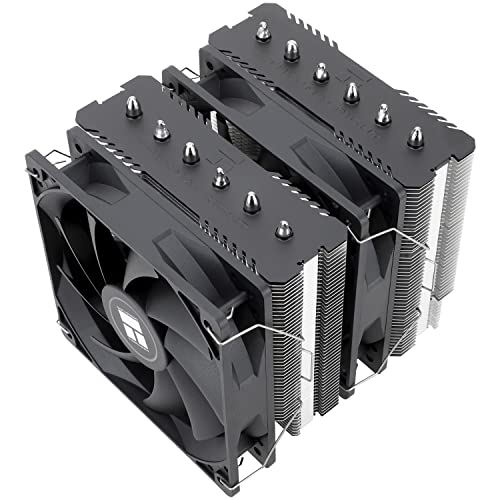
Thermalright Peerless Assassin 120 SE Dual 120mm
The Thermalright Peerless Assassin 120 SE is a dual-tower air cooler designed for high-performance PCs. It combines six AGHP heat pipes with two 120mm PWM fans that spin up to 1550RPM, pushing 66.17CFM of airflow at a rated noise of 25.6dB(A) or less. This cooler fits Intel LGA 115X/1200/1700/1851 and AMD AM4/AM5 platforms while clearing tall memory modules.
Pros
- Dual 120mm PWM fans deliver up to 66.17CFM
- Six AGHP heat pipes for efficient heat transfer
- Stays quiet at 25.6dB(A) or less
- Leaves room for RAM modules
- Supports Intel LGA 115X/1200/1700/1851 and AMD AM4/AM5
Cons
- AMD install requires original motherboard backplate
- Tall 155mm design may not fit small cases
Thermalright Peerless Assassin 120 SE ARGB Dual
This dual-tower air cooler from Thermalright packs six heat pipes and two ARGB PWM fans to handle CPUs up to 245W TDP. It is a strong mid-range to high-end cooling option for gamers and builders who want reliable performance without moving to liquid cooling.
Pros
- High cooling capacity for its size
- Dual ARGB fans with low noise (25.6 dBA)
- Wide socket compatibility including LGA1851
- Good value for dual-tower performance
Cons
- Heatsink may block some RAM slots
- No included thermal paste mentioned
- Only 1500 RPM fan speed may limit extreme overclocking
Cooler Master Hyper 212 Black Air Cooler
This CPU air cooler uses four heat pipes and a copper base to deliver reliable cooling for AMD R7 and Intel i7 processors. Its SickleFlow 120 Edge fan provides quiet PWM operation, while the redesigned brackets simplify installation on AM5 and LGA 1851/1700 motherboards. The compact 152mm height ensures wide chassis compatibility.
Pros
- Effective cooling for mainstream CPUs
- Quiet PWM fan with wide speed range
- Easy installation with included thermal paste
- Compact design fits most cases
- Black finish looks sleek
Cons
- Only available in black
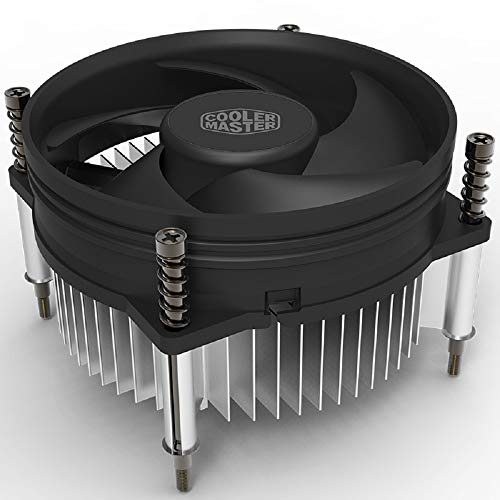
Cooler Master i30 92mm Intel CPU Cooler
A compact and quiet CPU cooler designed for Intel LGA115x sockets. Its 92mm fan operates at a low 22dBA noise level and uses an alloy bearing for reliability, while the prepasted thermal compound simplifies installation.
Pros
- Low noise level at 22dBA
- Preapplied thermal paste for easy setup
- Alloy bearing for long durability
- Compact size fits tight cases
- Includes backplate for secure mounting
Cons
- 3-pin connector without PWM control
- Only supports Intel LGA115x sockets
- No AMD socket compatibility
Thermalright Assassin X120 Refined SE
A compact CPU air cooler that uses 4 heat pipes with AGHP technology to work well in any orientation, plus a 120mm PWM fan. It fits medium-sized cases and covers modern Intel and AMD sockets.
Pros
- Handles inverse gravity in any mounting orientation
- Low-noise PWM fan (under 25.6 dB)
- Compact 148mm height fits many mid-towers
- Covers both Intel and AMD recent sockets
Cons
- Limited to medium cases due to 148mm height
- No included extra fan or RGB
- Weight may stress some budget motherboards
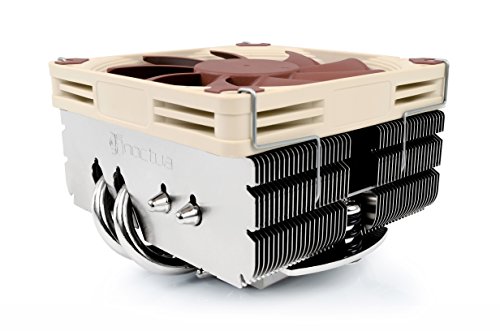
Noctua NH-L9x65 65mm Low-Profile CPU Cooler
A compact low-profile cooler engineered for HTPCs and small form factor builds. Its 65mm height avoids RAM and PCIe conflicts on most boards, and the NF-A9x14 PWM fan keeps noise down.
Pros
- Ultra compact 65mm profile
- Quiet PWM fan with low noise adaptor
- Wide motherboard compatibility
- Includes premium NT-H1 thermal paste
- Offset AM4/AM5 mounting option
Cons
- Not for high TDP CPUs
- RAM clearance not guaranteed on all boards
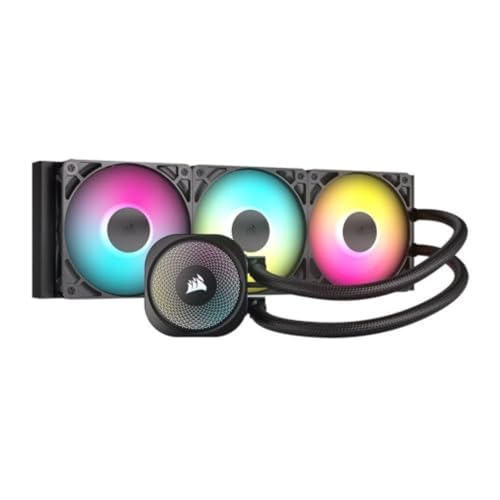
Corsair Nautilus 360 RS ARGB AIO Cooler
For builders who want a large radiator without a noisy system, this 360mm AIO combines a whisper-quiet 20 dBA pump with three RS120 ARGB fans. Daisy-chained connections simplify wiring, while the convex cold plate and pre-applied thermal paste speed up installation on modern Intel and AMD sockets.
Pros
- Low-noise 360mm all-in-one CPU cooling
- Quiet 20 dBA pump
- Pre-applied thermal paste saves setup time
- Daisy-chain fans simplify cable management
- Broad modern socket compatibility
Cons
- ARGB control requires compatible motherboard
- Large 360mm radiator needs a roomy case
- No LGA 1200 support
be quiet! Pure Rock Pro 3 6-Heat Pipe CPU Cooler
This dual-tower air cooler uses six copper heat pipes and HDT technology to handle overclocked CPUs and demanding workstations. Its compact offset design improves RAM and VRAM clearance, and the 120mm PWM fan balances quiet operation with high static pressure.
Pros
- Six high-performance heat pipes with HDT for efficient heat transfer
- Offset design increases RAM and VRAM compatibility
- Self-explanatory mounting kit simplifies installation
- AM5 offset mounting targets CPU hot spots for better cooling
- Quiet 120mm PWM fan with optimized blade design
Cons
- Large dual-tower body may need wide cases for clearance
- Front fan height adjustment required for some tall RAM kits
Thermalright Peerless Assassin 120 Vision MAX 5''
This dual-tower CPU cooler from Thermalright pairs six heat pipes with a 5-inch IPS LCD screen for real-time system monitoring. Its 2150 RPM fans and S-FDB V2 bearings deliver strong cooling, and the 164mm height fits most ATX cases while clearing tall RAM and GPUs.
Pros
- High-resolution 480x854 display
- Effective cooling with dual towers
- Low noise at idle (under 27 dB)
- Broad socket support
- Customizable display via software
Cons
- Requires motherboard USB header for screen
- AMD installation needs original backplate
- No included fan or RGB controller
Thermalright Assassin X 120R SE V2 CPU Cooler
This single-tower air cooler from Thermalright packs 4 copper heatpipes and a 120mm PWM fan with S-FDB bearings for quiet yet effective cooling. It's a solid pick for budget AM4/AM5 or LGA1700 builds that need basic thermal control without breaking the bank.
Pros
- Good cooling for the price point
- Very quiet fan noise under 26dB
- Compact size fits most cases
- RGB lighting without extra cable
Cons
- No major negatives from data available
Best Intel CPU Cooler Buying Guide
Air vs. Liquid Cooling: Which One Do You Need?
The first decision is between an air cooler and a liquid (AIO) cooler. Air coolers are typically simpler, more affordable, and have fewer points of failure. They consist of a heatsink with heat pipes and one or more fans.
High-end tower coolers can rival many liquid coolers in performance, especially for mainstream Intel CPUs like Core i5 and i7. For a closer look at both categories, refer to our CPU water cooler guide and our budget-friendly air cooler recommendations.
Liquid coolers (AIOs) use a pump, radiator, and fans to transfer heat away from the CPU. They often offer better thermal headroom for overclocking and can be quieter under load because the radiator fans can spin slower.
However, they are more expensive and introduce potential pump failure risks. For high-end Intel Core i7 and i9 processors, a 240mm or 360mm AIO is often recommended.
Size, Clearance, and Compatibility
Before purchasing, measure your case’s clearance for CPU cooler height (for air coolers) and radiator mounting points (for liquid coolers). Intel’s LGA 1700 and LGA 1851 sockets have different mounting pressure requirements, so ensure the cooler includes the appropriate brackets.
Low-profile coolers, like the Noctua NH-L9x65, are ideal for compact builds such as small-form-factor PCs. Consult our low-profile CPU cooler roundup for space-constrained systems.
If you are working with a full tower, a large dual-tower air cooler or a 360mm radiator will fit easily.
RAM clearance is another factor: some large air coolers overhang the RAM slots, blocking tall memory modules. Check the cooler’s offset design and choose low-profile RAM if needed. AIO coolers typically avoid this issue since the radiator is mounted elsewhere.
Performance and Noise Levels
Thermal performance is measured by how many watts the cooler can dissipate. A good tower cooler can handle 150-250W, sufficient for most Intel CPUs even under load.
For extreme overclocking, a high-end liquid cooler with a large radiator is required. Noise is also critical, look for fans with PWM control and rubber anti-vibration pads.
Many coolers in our list feature quiet fans with fluid-dynamic bearings (FDB) that reduce friction and noise over time.
Expert reviews and user feedback commonly highlight that coolers with six or more heat pipes and dual fans offer the best balance of cooling and acoustics. For silent operation, consider the be quiet!
Pure Rock Pro 3, which is praised for its quiet PWM fan and HDT technology.
Socket Support and Future-Proofing
Ensure the cooler supports your current Intel socket (LGA 1700, LGA 1200, LGA 115x, or the newer LGA 1851). Most modern coolers come with universal mounting kits, but it is worth verifying. Some manufacturers offer free upgrade kits for newer sockets.
Investing in a cooler with broad compatibility allows you to reuse it in future builds, making it a smart long-term purchase. For more on socket specifics, read our mounted CPU cooler guide which details mounting options.
Build Quality and Aesthetics
Build quality affects longevity. All-metal aluminum heatsinks, nickel-plated copper heat pipes, and quality fans are signs of a durable product.
Aesthetics matter if you have a windowed case: RGB lighting, black or white fins, and sleek top covers can enhance your build’s look.
The Thermalright Peerless Assassin series offers stylish designs with ARGB fans, while the Corsair Nautilus 360 RS provides customizable lighting via iCUE.
Be mindful of pump noise in AIO coolers, some units have a faint hum. Verified buyer feedback often mentions this. We prioritize coolers with positive user reviews and reliable warranty support from known brands like Noctua, Thermalright, and Cooler Master.
Budget and Value
Prices for Intel CPU coolers range from under $20 for basic units to over $100 for premium liquid coolers. The good news is that many excellent air coolers cost between $30 and $55 and offer performance that rivals more expensive options.
For budget-conscious builders, the Thermalright Assassin X120 Refined SE provides outstanding value without sacrificing quality. If you are seeking the best performance per dollar, our easy CPU cooler guide highlights simple, effective picks.
Even high-end liquid coolers like the Corsair Nautilus 360 RS have a strong price-to-performance ratio, especially when considering the silence and overclocking headroom they offer. Always balance your budget with the thermal needs of your specific Intel processor.
Why You Should Trust Us
At BestProducts, we are committed to providing independent and transparent evaluations. Our team researches each product thoroughly by analyzing specifications, aggregating expert review consensus, and synthesizing verified buyer feedback from thousands of real users.
We also incorporate published data from reputable sources. Each cooler is scored on our 0, 10 BP Score scale based on consistent criteria: thermal performance, noise, build quality, compatibility, and value.
We do not conduct our own product trials; our evaluations are grounded in research, published data, expert review consensus, and verified buyer feedback. This methodology ensures our recommendations remain objective and reliable.
We may earn a small commission if you make a purchase through our links, but this never influences our rankings. Our goal is to help you make an informed decision with confidence.
Final Thoughts
- Best Overall: Thermalright Peerless Assassin 120 SE, With a BP Score of 9.9/10, this dual-tower air cooler delivers exceptional cooling for its price, making it our top recommendation for most Intel builds.
- Best Budget Pick: Thermalright Assassin X120 Refined SE, Scoring 9.8/10, this single-tower cooler offers excellent performance at an entry-level price, ideal for Core i5 and i7 processors.
- Best for High Performance: Cooler Master Hyper 212 Black, A classic that continues to impress with a 9.9/10 BP Score, providing reliable cooling for overclocked Intel chips.
- Best Liquid Cooler: Corsair Nautilus 360 RS ARGB, This 360mm AIO earns a 9.8/10 BP Score for its powerful cooling, low noise, and easy daisy‑chain installation.
- Best Low-Profile: Noctua NH-L9x65, With a 9.8/10 BP Score, this compact cooler fits in tight cases while keeping temperatures under control for mainstream Intel CPUs.
Frequently Asked Questions
Which cooler do I need for an Intel Core i7-13700K?
A high-end air cooler like the Thermalright Peerless Assassin 120 SE or a 240mm AIO liquid cooler is recommended. The Core i7 can draw significant power under load; a robust cooler ensures stable performance without thermal throttling.
Do I need to buy separate thermal paste?
Most CPU coolers include pre-applied thermal paste or a small tube. The included paste is often sufficient for everyday use. However, if you plan to overclock heavily, upgrading to a premium thermal compound may lower temperatures a few degrees.
For more tips on paste application, visit our high‑performance cooler guide.
Are liquid coolers worth the extra cost for Intel CPUs?
Liquid coolers excel with high-end processors like the Core i9-13900K or i9-14900K, especially during extended workloads or overclocking. For mainstream chips (i5, i7), a quality air cooler often provides similar performance at a lower price and with less complexity.
Will a cooler from LGA 1200 fit LGA 1700?
Many coolers designed for LGA 1200 can be used on LGA 1700 with an adapter kit, but you must check the manufacturer’s compatibility list. LGA 1700 has a different mounting hole spacing and Z-height, so some older coolers may not apply proper pressure.
Our small CPU cooler guide covers compatible low-profile options for newer sockets.
How do I know if a cooler will fit in my case?
Check your case’s maximum CPU cooler height (for air coolers) and radiator mounting space (for liquid coolers). Measure from the CPU socket to the side panel. Most manufacturers list these dimensions online.
If you have a compact case, consider a low‑profile cooler like the Noctua NH-L9x65 or a 120mm AIO.
What is the difference between single-tower and dual-tower air coolers?
Single-tower coolers are more compact and usually quieter, suitable for low-to-mid range CPUs. Dual-tower coolers have two fin stacks and often two fans, offering greater heat dissipation for high-end Intel processors but requiring more clearance and potentially more RAM clearance issues.
About the author
Teresa covers hiking backpacks and coolers for BestProducts, comparing carry comfort, capacity, ice retention, and rugged build quality. She helps readers haul gear and keep food cold on long trips.