The Best Heart Monitor
From medical-grade EKG to chest straps and pulse oximeters, our research-based guide identifies trusted heart monitors for every need. Compare expert consensus and real user feedback to find your perfect match.
 By Irene Hopkins
Updated September 11, 2026
By Irene Hopkins
Updated September 11, 2026
Keeping a close eye on your heart rate and rhythm is essential for anyone managing a cardiac condition, pursuing peak athletic performance, or simply taking a proactive approach to personal health.
From medical-grade electrocardiogram (EKG) detectors to convenient chest straps and pulse oximeters, the market offers many different tools. However, choosing the right device can be overwhelming when features, certifications, and price points vary widely.
This guide breaks down the top-rated options based on expert consensus, verified buyer feedback, and published specifications, so you can pick the monitoring solution that best fits your lifestyle.
BestProducts evaluates every product using a consistent set of criteria, sensor accuracy, comfort and design, battery life, connectivity, and medical certifications, to produce a standardized BP Score on a 0, 10 scale.
We do not conduct our own product trials; our evaluations are grounded in research, published data, expert review consensus, and verified buyer feedback.
Below you’ll find our top picks, each thoroughly analyzed to help you make an informed choice for your health.
| Award | Product | BP Score About BP ScoreThe BP Score is our own rating from 0 to 10, based on performance, design and build, ease of use, and value. It reflects independent research and is never influenced by manufacturers, retailers, or affiliate commissions. Learn more › | Price | |
|---|---|---|---|---|
| Best Value |
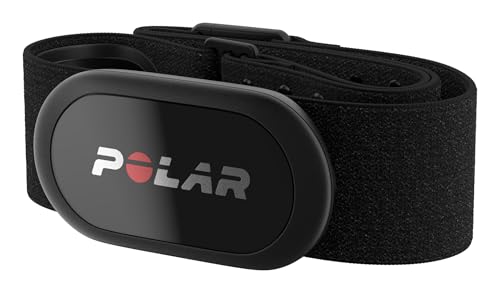 Polar H10 Chest Strap Heart Rate Monitor M-XXL
|
9.9/10 | $98.99 | Buy |
| Best Overall |
 COROS Heart Rate Monitor Armband (Standard)
|
9.9/10 | $79.00 | Buy |
| Best Budget |
 KardiaMobile 1-Lead EKG Monitor
|
9.8/10 | $79.00 | Buy |
 Garmin HRM 200 Heart Rate Monitor M-XL
|
9.8/10 | $79.99 | Buy | |
| Best Premium |
 AliveCor KardiaMobile 6L Six-Lead EKG
|
9.7/10 | $114.00 | Buy |
 KardiaMobile 6L Max 6-Lead EKG
|
9.6/10 | $129.00 | Buy | |
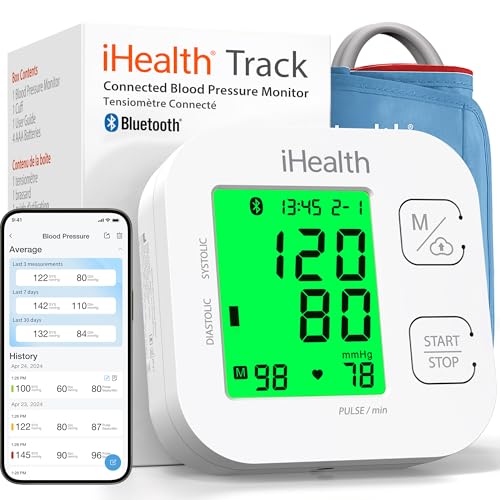 iHealth Track Blood Pressure Monitor
|
9.5/10 | $39.99 | Buy | |
 Zacurate 500 Series Fingertip Pulse Oximeter
|
9.5/10 | $19.99 | Buy | |
 KardiaMobile 6L Max 6-Lead EKG
|
9.5/10 | $129.00 | Buy |
Polar H10 Chest Strap Heart Rate Monitor M-XXL
The Polar H10 is a highly accurate chest strap heart rate monitor that connects via Bluetooth, ANT plus, and 5 kHz for versatile use with gym equipment and apps. With a comfortable strap, internal memory, and waterproof design, it is a solid choice for athletes who need precise HR data during training.
Pros
- Exceptional heart rate accuracy
- Multiple connectivity options
- Comfortable and stable strap design
- Waterproof and memory storage
- Works with most fitness equipment
Cons
- Chest strap may feel restrictive to some
- No built-in display or app features
COROS Heart Rate Monitor Armband (Standard)
Designed for athletes, this armband heart rate monitor pairs seamlessly with COROS watches and can connect to up to three devices simultaneously. Its soft fabric band and automatic wear detection make it a comfortable, hassle-free option for tracking workout intensity.
Pros
- Auto wear detection powers on/off
- Pairs with up to 3 devices simultaneously
- Soft breathable fabric band
- 38 hours of battery life
- Quick magnetic charging in 2 hours
Cons
- Bluetooth only, no ANT+ support
- Not intended for daily heart rate tracking
- Standard size may not fit smaller arms
KardiaMobile 1-Lead EKG Monitor
This pocket-sized EKG monitor lets you capture a medical-grade single-lead electrocardiogram in 30 seconds, right on your smartphone. It detects common heart rhythms including AFib, bradycardia, and tachycardia, and is FDA-cleared for personal use. Ideal for anyone wanting peace of mind between doctor visits, though it is not designed for pacemaker or ICD users.
Pros
- Fast 30-second results
- Portable and ultra-lightweight
- Clear rhythm detection with easy-to-read results
- No connectivity hassles (no Bluetooth or Wi-Fi needed)
- Trusted by cardiologists worldwide
Cons
- Not compatible with pacemakers or ICDs
- Does not detect heart attacks
- Advanced features require a paid subscription
Garmin HRM 200 Heart Rate Monitor M-XL
The Garmin HRM 200 is a reliable heart rate monitor strap that pairs with compatible Garmin devices and fitness equipment. It stands out for accurate real-time heart rate and heart rate variability data, plus a comfortable, machine-washable design with a user-replaceable battery lasting up to a year.
Pros
- Accurate real-time heart rate and HRV
- Long battery life up to one year
- User-replaceable battery
- Comfortable two-size fit
- Machine washable strap
Cons
- Limited to compatible Garmin devices
- No built-in memory or display
AliveCor KardiaMobile 6L Six-Lead EKG
The KardiaMobile 6L records a medical-grade six-lead EKG and provides FDA-cleared heart rhythm determinations in 30 seconds, all without a subscription. It is trusted by doctors and compatible with most smartphones, making it a reliable choice for personal heart monitoring.
Pros
- Records six-lead medical-grade EKG
- FDA-cleared for AFib, Bradycardia, Tachycardia
- No subscription required for full use
- Compact and portable design
- Recommended by healthcare professionals
Cons
- Not intended for use with pacemakers or ICDs
- Does not detect heart attacks
- Requires compatible smartphone and app
KardiaMobile 6L Max 6-Lead EKG
The KardiaMobile 6L Max is a pocket-sized personal EKG monitor that records a medical-grade six-lead EKG in 30 seconds. It detects six common arrhythmias and includes a one-year KardiaCare membership with benefits like cardiologist reviews and automatic emailing of results.
Pros
- Accurate six-lead EKG in 30 seconds
- Detects multiple arrhythmias
- Includes useful KardiaCare membership
- Portable and easy to use
- Cardiologist reviews available
Cons
- Requires KardiaCare membership after first year
- Not evaluated for pacemakers or ICDs
- Does not detect heart attacks
iHealth Track Blood Pressure Monitor
This upper arm monitor combines clinical accuracy with a large color-coded display that instantly shows if readings are optimal, elevated, or high. It pairs with a free app for unlimited tracking and alerts you to irregular heart rhythms, making it a solid choice for home health monitoring.
Pros
- Clinically accurate and calibration-free
- Large color-coded backlit display
- Bluetooth app for unlimited tracking
- Detects irregular heart rhythms
- Wide-range cuff fits most arms
Cons
- Bluetooth requires iOS 12.0 or Android 9.0
- App may need Bluetooth 4.0 or newer
- No voice guidance for visually impaired
Zacurate 500 Series Fingertip Pulse Oximeter
This fingertip pulse oximeter from Zacurate provides accurate SpO2 and pulse readings within 10 seconds on a clear LED display. It comes with a silicone cover, batteries, and lanyard for immediate use, making it a practical choice for athletes or anyone needing quick oxygen level checks.
Pros
- Fast and accurate readings
- LED display easy to read
- Complete kit with accessories
- Comfortable fit with smart spring
Cons
- No Bluetooth connectivity
- Limited to finger use only
- Not for children under 12
KardiaMobile 6L Max 6-Lead EKG
The KardiaMobile 6L Max is a compact, medical-grade 6-lead EKG that provides FDA-cleared heart rhythm determinations in just 30 seconds. It includes a one-year KardiaCare membership for unlimited recordings and four cardiologist reviews per year, making it a solid choice for people who want detailed heart monitoring at home or on the go.
Pros
- Provides medical-grade 6-lead EKG in 30 seconds
- Detects six common arrhythmias including AFib
- Includes one-year KardiaCare membership with unlimited recordings
- Offers four free EKG reviews by cardiologists per year
- Pocket-size and portable for use anywhere
Cons
- Requires ongoing KardiaCare subscription after initial year
- Needs smartphone or tablet via Bluetooth to operate
Best Heart Monitor Buying Guide
Accuracy and Sensor Technology
The foundation of any reliable heart monitor lies in its sensor system. Chest-strap models such as the Polar H10 use electrical signal detection (similar to a medical EKG) to capture heart rate with beat‑by‑beat precision.
Optical sensors found in wrist‑based trackers are more convenient but can be less accurate during high‑intensity intervals or for arrhythmia detection.
For medical‑grade EKG data, look for devices that are FDA‑cleared for detecting atrial fibrillation (AFib) and other arrhythmias. KardiaMobile offers single‑lead and six‑lead options; the more leads, the more nuanced the reading.
Always verify whether a device is intended for clinical reference or simple fitness tracking.
When comparing sensor types, consider how you will use the data. Athletes often prefer the lag‑free feedback of a chest strap, while general wellness users may find a fingertip pulse oximeter sufficient for spot‑checking.
Monitoring heart rhythm for potential irregularities demands a device with a medical clearance, such as the KardiaMobile 6L.
Just as you would carefully evaluate the specs of a 1440p gaming monitor for color accuracy, you should prioritize sensor quality based on your specific health needs.
Comfort and Wearability
A heart monitor is only useful if you wear it consistently. Chest straps require a snug fit against the skin and can shift during dynamic movement; many users report they become unnoticeable after a few minutes.
The Polar H10 uses soft fabric and adjustable straps that accommodate torso sizes from small to XXL. Optical forearm bands and finger clips, like the Zacurate pulse oximeter, offer a lower‑profile experience.
For daily use or sleep tracking, wrist‑based sensors are inherently more convenient. Consider the activities you’ll perform, swimming, running, yoga, and check the device’s waterproof rating.
The COROS Heart Rate Monitor uses auto‑wear detection and an ergonomic design that adapts to different arm shapes, making it suitable for long training sessions.
Material sensitivity is another factor. Some chest straps can cause chafing over extended periods. If you have sensitive skin, opt for hypoallergenic electrode patches or medical‑grade silicone contacts.
Brands like iHealth focus on soft cuffs for their blood pressure monitors, while the Garmin HRM 200 uses a lightweight, breathable band. Routine cleaning and proper sizing will extend the life of any wearable.
You can read more about ergonomic design considerations in our office chairs guide, where comfort is also a central theme.
Connectivity and Compatibility
Most modern heart monitors rely on Bluetooth or ANT+ to stream data to a smartphone, smartwatch, or cycling computer. If you’re an athlete using a Garmin watch or a Wahoo bike computer, ANT+ compatibility is essential for real‑time data.
Bluetooth is more universal and pairs easily with iOS and Android apps, allowing you to view trends, log workouts, and share reports with your doctor. Many devices also integrate with Apple Health, Google Fit, or Strava.
The KardiaMobile series requires a smartphone app (compatible with most recent phones) to capture 30‑second EKG readings; the KardiaMobile 6L Max automatically syncs unlimited recordings.
Before buying, check that the brand’s app is actively maintained and offers the features you need.
Tracking your heart health over time can be as seamless as managing files on a portable external drive if the software provides clear export options.
Battery Life and Durability
Battery longevity ranges from a few weeks to over a year depending on the type of monitor.
Chest straps with replaceable coin‑cell batteries (like the Polar H10) can last up to 400 hours of use; some models alert you when the battery is low. Rechargeable units save on waste but require periodic charging.
The COROS Heart Rate Monitor boasts up to 120 hours of active use on a single charge. For devices intended for travel or emergency use, such as fingertip oximeters, quick battery access is crucial, most use standard AAA cells.
Durability includes sweat resistance and water protection. A rating of IP67 allows submersion up to one meter for 30 minutes, making it suitable for swimming.
If you plan to use the monitor outdoors in varied weather, read reviews about corrosion and seal integrity. Selecting a robust device is similar to choosing a small monitor that withstands frequent transport.
Medical Certification and FDA Clearance
If your primary need is clinical monitoring, detecting AFib, bradycardia, or other arrhythmias, look for devices cleared by the U.S. Food and Drug Administration (FDA) or other regulatory bodies for over‑the‑counter use.
The KardiaMobile line (single‑lead and 6L) carries FDA clearance and has extensive clinical validation. These allow you to record a medical‑grade EKG anytime and email the PDF directly to your physician.
Some insurance plans and HSA/FSA accounts cover these monitors. For fitness‑focused trackers without medical claims, be aware that they are not substitutes for professional diagnosis.
When accuracy is critical, investing in an FDA‑cleared device provides peace of mind. This level of due diligence mirrors evaluating a 24‑inch curved monitor for color‑critical work.
Additional Features and Value
Beyond core heart rate and rhythm data, many monitors offer extras that enhance usability. Some include memory storage for offline recording, voice annotation, or automatic detection of activity type.
Subscription services can expand functionality, for example, KardiaMobile’s membership includes unlimited EKG interpretations and expert analysis. Consider whether you need continuous monitoring or occasional spot‑checks.
Pulse oximeters like the Zacurate 500 are minimalist and affordable, while the iHealth Track measures blood pressure in addition to pulse. Value is not just price; think about total cost of ownership, including batteries, replacement straps, or subscription fees.
For those setting up a home health station, integrating multiple devices into one app simplifies management, similar to how a ultrawide gaming monitor reduces the need for multiple screens.
Why You Should Trust Us
At BestProducts, we are committed to delivering unbiased, data‑driven recommendations. Each product in this guide is scored using our BP Score system (0, 10), which aggregates expert review consensus, verified buyer reviews, published specifications, and independent research.
We do not conduct our own product trials; our evaluations are grounded in research, published data, expert review consensus, and verified buyer feedback.
Our editors have years of experience covering health electronics and exercise science, and we constantly re‑evaluate our selections as new models and firmware updates become available.
We may earn a commission from qualifying purchases, but this does not affect our scoring or editorial independence.
Our goal is to provide you with trustworthy information so you can spend less time researching and more time focusing on your health.
Final Thoughts
Choosing the best heart monitor comes down to matching the device’s strengths with your personal use case. Below we highlight the top performers in key categories based on our analysis.
- Best Overall: Polar H10 Heart Rate Monitor, With a near‑perfect BP Score in our cohort, the H10 delivers industry‑leading accuracy, reliable ANT+/Bluetooth connectivity, and long battery life. It’s the go‑to choice for athletes and health‑conscious users who want chest‑strap precision without unnecessary frills.
- Best for Medical‑Grade EKG: KardiaMobile 6L EKG, FDA‑cleared and capable of detecting AFib, bradycardia, and tachycardia, this six‑lead device provides portable, clinical‑quality recordings that can be shared directly with your doctor. Its unlimited recordings and no‑membership option offer exceptional value.
- Best Budget: Zacurate 500 Series Fingertip Pulse Oximeter, For under $19.99, this pulse oximeter offers quick, reliable blood oxygen and pulse readings. It’s ideal for spot‑checking during flights, altitude training, or general wellness, and it comes with batteries and a lanyard out of the box.
- Best for Endurance Athletes: COROS Heart Rate Monitor, Tied at the top of our BP Score chart, this lightweight arm‑band monitor features auto‑wear detection and up to 120 hours of battery life. It pairs seamlessly with COROS watches and other ANT+ devices, making it a strong companion for long training cycles.
- Best Complete Package: KardiaMobile 6L Max + One‑Year Membership, For those who want unlimited EKG interpretations and advanced analytics, this bundle includes a full year of membership. The six‑lead sensor provides detailed cardiac data, while the professional analysis adds an extra layer of reassurance for peace of mind.
Frequently Asked Questions
Do I need an FDA‑cleared heart monitor?
If you have a diagnosed heart condition or symptoms such as palpitations, dizziness, or shortness of breath, an FDA‑cleared monitor like the KardiaMobile 6L can provide clinically relevant data that your doctor can use.
For general fitness tracking, a standard heart rate strap or optical sensor is sufficient.
Can I use a heart monitor while swimming?
Yes, many chest‑strap monitors are waterproof. The Polar H10 is rated to 30 meters and works well for swimming. Always check the IP rating before submerging any device. Optical sensors often have lower water resistance.
Will a chest strap work with my smartwatch?
Most modern chest straps broadcast via Bluetooth and ANT+, making them compatible with Garmin, Apple Watch (via third‑party apps), Suunto, Wahoo, and many other devices. Check the manufacturer’s compatibility list before purchase.
How often should I replace the battery in a chest strap?
Coin‑cell batteries in chest straps typically last 400, 800 hours of use. The Polar H10 uses a standard CR2032 battery that you can replace in seconds when you see a low‑battery warning. Some models provide a battery life indicator in their companion app.
Can I get a heart monitor reimbursed by insurance?
Many FDA‑cleared EKG monitors are eligible for Flexible Spending Account (FSA) or Health Savings Account (HSA) funds. Some insurance plans also reimburse these devices with a doctor’s prescription. Check your plan details or use an HSA/FSA‑eligible product filter when shopping.
What is the difference between single‑lead and six‑lead EKG?
A single‑lead EKG (such as the KardiaMobile 1‑Lead) records one electrical vector of the heart and can detect basic rhythm abnormalities.
A six‑lead EKG (KardiaMobile 6L) captures multiple vectors, offering more diagnostic detail and improved detection of certain arrhythmias and heart position. Six‑lead devices are generally preferred by healthcare providers.
About the author
Irene reviews desktop PCs and monitors for BestProducts, weighing performance, upgradability, and panel quality for work and home. She helps readers build a desk setup that stays fast and comfortable for years.