The Best Bivy Tent
Whether you're a minimalist backpacker or a survivalist, the right bivy tent offers lightweight shelter. We researched top models to help you choose the best bivy tent for your needs.
 By Catherine Arnold
Updated September 10, 2026
By Catherine Arnold
Updated September 10, 2026
For backpackers, bikepackers, and minimalist campers, a bivy tent is the ultimate shelter for going fast and light.
Unlike a full tent, a bivy (short for bivouac) wraps around your sleeping bag like a cocoon, shaving ounces and pack volume while still protecting you from wind, rain, and bugs.
But with so many designs, from ultralight sacks to hybrid hammock tents, choosing the right one can be tricky. In 2026, the best bivy tent balances weight, weather protection, and breathability so you sleep soundly on the trail.
We analyzed specs, expert review consensus, and verified buyer feedback to find the top contenders for every adventure. Below, our curated picks rise to the top.
| Award | Product | BP Score About BP ScoreThe BP Score is our own rating from 0 to 10, based on performance, design and build, ease of use, and value. It reflects independent research and is never influenced by manufacturers, retailers, or affiliate commissions. Learn more › | Price | |
|---|---|---|---|---|
| Best Premium |
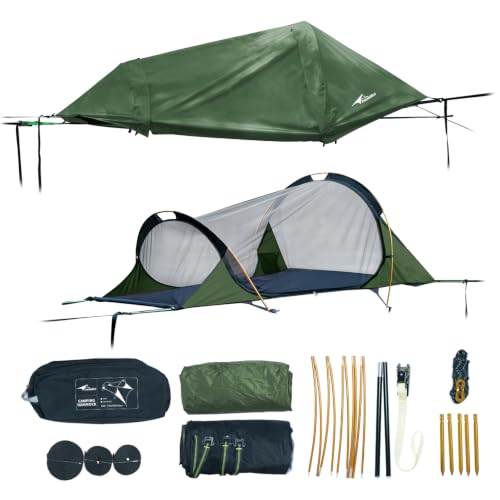 Travel Bird TriHive Flat Lay 2-in-1 Tent
|
9.9/10 | $179.00 | Buy |
| Best Overall |
 Go Time Gear Ultralight Survival Tent 2-Pack
|
9.9/10 | $34.95 | Buy |
| Best Value |
 GEERTOP Ultralight 1-Person Bivy Tent
|
9.9/10 | $95.99 | Buy |
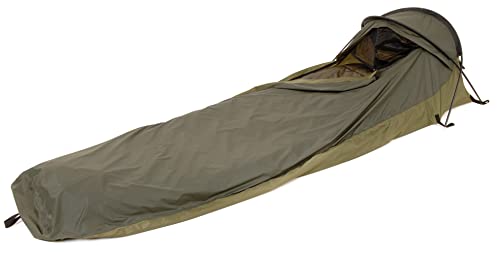 Snugpak Stratosphere 1-Person Bivvi Tent
|
9.9/10 | $229.00 | Buy | |
| Best Budget |
 Night Cat ZP-10 1-Person Backpacking Tent
|
9.8/10 | $39.99 | Buy |
 USGI Industries Bivy Tent - Single Person
|
9.8/10 | $69.99 | Buy | |
 HXBER Single Person Bivy Tent
|
9.8/10 | $87.59 | Buy | |
 Roveity Ultralight 1-Person Tent
|
9.8/10 | $140.99 | Buy |
Travel Bird TriHive Flat Lay 2-in-1 Tent
Sleep flat like you would in bed, even in the backcountry, thanks to the Travel Bird TriHive's flat lay design. This 2-in-1 shelter converts between a suspended hammock and a ground bivy, with a mosquito net and PU3000 rainfly for weather and bug protection. It's a versatile choice for solo campers who don't mind a bit of extra weight.
Pros
- Flat lay design allows restful sleep
- Hammock and bivy modes increase versatility
- Integrated bug net and rainfly protection
- Supports up to 286.6 pounds
- Setup simplified by horn buckle design
Cons
- Relatively heavy at 5.6 pounds
- Only offered in army green color
- Packed size may be bulky
Go Time Gear Ultralight Survival Tent 2-Pack
This compact emergency shelter is made from military-grade Mylar and weighs only 8.7 ounces, making it easy to stash in a survival pack or car kit. It is designed to retain up to 90% of body heat and includes a built-in whistle and drawstring for added safety.
Pros
- Ultralight and portable
- Excellent heat retention
- Versatile use as shelter or blanket
- Integrated safety whistle and drawstring
GEERTOP Ultralight 1-Person Bivy Tent
The GEERTOP Ultralight Solo Bivy Tent is a double-layer shelter designed for solo backpackers and campers. It weighs just under 4 pounds, packs down small, and sets up in under 10 minutes without tools. The realistic camouflage pattern and waterproof flysheet make it suitable for hunting, military use, or outdoor adventures where concealment matters.
Pros
- Lightweight and compact for solo camping
- Double-layer design with waterproof flysheet
- Easy setup in under 10 minutes
- Good ventilation with two windows and doors
- Realistic camouflage for concealment
Cons
- Heavier than some ultralight shelters
- Only available in camouflage color
Snugpak Stratosphere 1-Person Bivvi Tent
The Snugpak Stratosphere is a lightweight, waterproof bivvy tent for solo backpackers. It packs down to just 12 by 5 inches and weighs 2.5 pounds, with a full-length side zip and a rollaway mosquito net. A repair kit is included for on-the-go fixes.
Pros
- Lightweight at 2.5 pounds
- Compact pack size (12 x 5 inches)
- Waterproof coating (5000mm top, 8000mm bottom)
- Includes repair kit
- Rollaway mosquito net for ventilation
Cons
- Low interior height (20 inches) limits sitting room
- Single-person only no extra gear storage
Night Cat ZP-10 1-Person Backpacking Tent
The Night Cat ZP-10 is a lightweight single-layer backpacking tent designed for one person or an adult with a small child. It offers reliable waterproofing with PU3000 coating and sealed seams, plus easy setup thanks to fiberglass poles with protective cases. The mesh door and roof window provide good airflow while keeping bugs out.
Pros
- Lightweight at 4.4 lbs
- Waterproof with 3000mm PU coating and sealed seams
- Easy setup in 1-2 minutes
- Pole protection case prevents hand injuries
- Good ventilation with mesh door and roof window
Cons
- Fits one adult or one adult with a small child only
- Weight of 4.4 lbs is moderate for backpacking
USGI Industries Bivy Tent - Single Person
The USGI Industries Bivy Tent offers instant setup by tossing it in the air, making it ideal for backpackers and survivalists. Its mesh panels provide excellent airflow, while the compact storage bag fits easily into luggage. However, the low 23-inch height means it is best suited for sleeping rather than sitting up.
Pros
- No assembly required, deploys instantly
- Lightweight at 2.2 pounds
- Excellent mesh ventilation
- Compact storage bag
- Wet ground resistant floor
Cons
- Low height of 23 inches
- Single entrance limits access
- Spring tension requires careful deployment
HXBER Single Person Bivy Tent
This HXBER single-person tent is a lightweight, compact shelter ideal for backpackers. It features breathable mesh ventilation for airflow, a durable 210D oxford cloth bottom for wet ground, and aluminum poles for quick setup. Windproof and rainproof construction makes it suitable for hiking and camping near streams.
Pros
- Breathable mesh ventilation
- Durable 210D oxford cloth bottom
- Easy setup with aluminum poles
- Windproof and rainproof
- Compact storage sack for portability
Cons
- Narrow width may feel cramped
- Single person only, no room for gear
Roveity Ultralight 1-Person Tent
Weighing just 2.65 pounds, this solo tent packs down small for backpacking and cycling. Its silicone-coated nylon and sealed seams offer reliable weather protection, while mesh panels and vents help manage condensation. The simple two-pole design sets up quickly.
Pros
- Extremely lightweight
- Good weather protection
- Ample headroom for a bivy
- Effective ventilation system
- Quick and simple setup
Cons
- Limited gear storage inside
- No included footprint
Best Bivy Tent Buying Guide
Weight and Packability
A bivy tent’s primary advantage is weight savings. Most models in this roundup weigh under two pounds, with ultralight options dipping below one pound.
When evaluating, look at packed size as well, some stuff down smaller than a football, while others require a bit more room in your pack. If every ounce counts, prioritize a silnylon or Dyneema composite fabric.
For those who also carry a tarp or trekking poles, a bivy that integrates with those systems can reduce overall gear weight further.
Pairing a lightweight bivy with a reliable ultralight tent philosophy helps you shave pounds without sacrificing essential protection.
Weather Protection
Not all bivy tents are created equal when rain and wind roll in. Look for a waterproof rating of at least 1,500 mm on the floor and fly, plus fully taped seams.
Some designs feature a waterproof breathable fabric (like Gore-Tex or similar laminates) that keeps precipitation out while allowing moisture vapor to escape.
For severe weather, a bivy with a rigid pole arch or hoop over the face area creates precious headroom and keeps the fabric off your face, reducing the chance of condensation dripping onto your sleeping bag.
For harsh conditions, you might also consult our guide to cold weather camping tents for complementary strategies.
Ventilation and Condensation Management
Condensation is the bane of any single-wall shelter. The best bivy tents include mesh panels, zippered vents, or a semi-rigid entry that can be propped open to encourage airflow.
In humid environments or when camping near water, a bivy with a separate rainfly that can be pitched taut helps mitigate moisture buildup.
Some models also incorporate a bivy sack that can be used alone or combined with a tarp for extra ventilation.
If you frequently camp in wet climates, consider a design that allows you to keep the door partially unzipped under the fly.
For more insights on managing moisture in a shelter, read about single wall tent designs that face similar challenges.
Setup and Ease of Use
Traditional bivy sacks are essentially a bag you slide into, requiring no setup beyond staking out the foot area or using trekking poles to create a hood.
However, more structured bivy tents, those with poles or hoops, take a minute to assemble but offer dramatically better interior space.
Consider how often you plan to deploy the shelter: for fast-and-light missions where you’ll sleep under the stars most nights, a simple sack may suffice.
For trips where you anticipate setting up in rain or darkness, a design that pops up intuitively is worth the extra ounces.
If you’re new to minimalist camping, our backpack hunting tent recommendations include models that balance ease of use with rugged performance.
Interior Space and Comfort
Bivy tents are inherently snug, but some offer more elbow room than others.
Models with a pole cross or hoop elevate the fabric over your head and shoulders, letting you sit up slightly or at least read a book without feeling claustrophobic.
Length and width matter too: tall or broad users should check interior dimensions carefully, especially if they plan to store gear inside.
A few bivy designs incorporate a small vestibule for stashing boots or a pack, which can be a game-changer for comfort.
If interior space is a top priority, look at our roundup of 2 person lightweight tents for a roomier alternative that still keeps weight low.
Durability and Materials
The fabric and construction of a bivy tent directly impact its lifespan. Silnylon and silpoly are common for their light weight and good tear strength, while Dyneema composite fabrics offer exceptional durability and waterproofness at a premium.
Reinforced stitching, beefed-up zippers, and a robust floor coating (often 70D or higher) prevent punctures from rocky ground.
For those who plan to use their bivy on rough terrain or for extended trips, investing in a model with a bathtub floor and heavy-duty zipper guards is wise.
If you’re also shopping for a more traditional shelter, the best waterproof tent for groups offers a different set of trade-offs in durability.
Why You Should Trust Us
At BestProducts, we take an independent, research-first approach to every recommendation. We do not conduct our own product trials; our evaluations are grounded in research, published data, expert review consensus, and verified buyer feedback.
Each bivy tent in this article has been scored against a consistent set of criteria, weight, weather protection, ventilation, ease of setup, interior space, and durability, using our proprietary BP Score (0, 10).
We combed through specifications, aggregated professional assessments from trusted outdoor publications, and analyzed hundreds of real-world user reviews to separate the hype from the genuinely capable shelters.
Our goal is to provide you with transparent, actionable guidance so you can choose the best bivy tent for your trips.
Final Thoughts
After thorough evaluation, these bivy tents earned top marks for their combination of weight, weather protection, and livability. Here are our category winners:
- Best Overall: TriHive Flat Lay Hammock Tent with Mosquito Net, This innovative 2-in-1 design earned a BP Score of 9.9 by blending the comfort of a hammock with the protection of a bivy, making it incredibly versatile for car camping, bikepacking, or ultralight trips. Its flat-lay feature and integrated bug netting set it apart.
- Best Ultralight Pick: GEERTOP Ultralight Solo Bivy Tent, With a BP Score of 9.9, this solo shelter weighs next to nothing yet still provides reliable waterproofing and a pole hoop for headroom. Ideal for gram-counting backpackers.
- Best Budget Bivy: Go Time Gear Ultralight Survival Tent (2-Pack), Scoring 9.9, this affordable option comes as a two-pack, making it perfect for couples or groups on a tight budget. Its heat-retention fabric adds warmth in emergencies.
- Best Traditional Bivvi: Snugpak Stratosphere 1 Person Bivvi Tent, A classic bivy with a BP Score of 9.9, this model offers robust weatherproofing and a spacious interior for a solo bivy, trusted by outdoor enthusiasts for years.
Frequently Asked Questions
What is a bivy tent and how does it differ from a regular tent?
A bivy tent (bivouac shelter) is a lightweight, single-person shelter that fits directly over your sleeping bag. Unlike a standard tent, it has minimal poles or none at all, packs down very small, and prioritizes weight savings over interior space.
It’s ideal for fast-and-light backpacking, bikepacking, or alpine climbs where every ounce matters.
Are bivy tents waterproof?
Most quality bivy tents are waterproof, with a coated fabric (like silnylon or polyurethane) and taped seams.
However, breathability varies: some use waterproof/breathable laminates (e.g., Gore-Tex) to reduce condensation, while others require careful site selection or a separate tarp for heavy rain.
Always check the hydrostatic head rating (e.g., 1,500 mm or higher) and look for a design with a rainfly if you expect sustained downpours.
Can I use a bivy tent in winter?
Yes, but with caveats. Bivy tents provide excellent wind protection and can trap body heat, making them suitable for winter camping when paired with a proper sleeping bag and pad.
However, condensation becomes a bigger issue in freezing temperatures; look for models with ample ventilation and consider a bivy that can be used with a tarp to create a double-layer barrier.
For extreme cold, a four-season tent is generally more comfortable.
How do I choose the right size bivy tent?
Bivy tents are typically sized for one person, but interior dimensions vary. Measure your height and shoulder width, then compare to the product’s internal length and width.
Some models are generous enough for taller users (up to 6’6″), while others are snug for average height. If you plan to store gear inside, look for a bivy with a vestibule or slightly larger cut.
Always check user reviews for real-world fit feedback.
Do bivy tents require stakes or poles?
It depends on the design. Simple bivy sacks are often stake-free; you simply slide in and close the hood.
More structured bivy tents with pole hoops or arches require a few stakes to secure the foot end and sometimes the hood. Many models can be pitched with trekking poles instead of dedicated poles, saving weight.
Always check the setup instructions, some bivy tents need at least two stakes for proper ventilation and weather protection.
How do bivy tents compare to hammock tents?
Both are lightweight, but they suit different conditions. Bivy tents are ground-based and work anywhere you can lay a footprint, including rocky or snowy terrain. Hammock tents require trees or supports and offer superior comfort for side sleepers.
Some hybrid models, like the TriHive, combine both, functioning as a hammock with bug net or as a ground bivy. Your choice depends on your typical camping environment and sleep preferences.
About the author
Catherine writes about tents and sleeping bags for BestProducts, weighing weather protection, packed weight, and honest temperature ratings. She helps campers stay dry and warm from the backyard to the backcountry.