The Best Gas Clothes Dryer
Find the gas clothes dryer that saves energy and dries quickly. Our picks from Kenmore, LG, and GE deliver reliable performance at various price points.
 By Salvador Wright
Updated September 10, 2026
By Salvador Wright
Updated September 10, 2026
Natural gas remains a cost-effective heating source for laundry in many regions, especially where electricity rates are high. Gas clothes dryers typically dry loads faster than their electric counterparts and can cut energy costs by 30% to 50% per cycle.
Yet with a narrower selection of models on the market, finding the right machine requires focusing on drum capacity, sensor technology, venting flexibility, and long-term reliability.
We’ve analyzed expert reviews, owner feedback, and published specifications to identify the gas dryers that offer the best performance and value for a range of households. Below, you’ll find our carefully selected top picks.
| Award | Product | BP Score About BP ScoreThe BP Score is our own rating from 0 to 10, based on performance, design and build, ease of use, and value. It reflects independent research and is never influenced by manufacturers, retailers, or affiliate commissions. Learn more › | Price | |
|---|---|---|---|---|
| Best Overall |
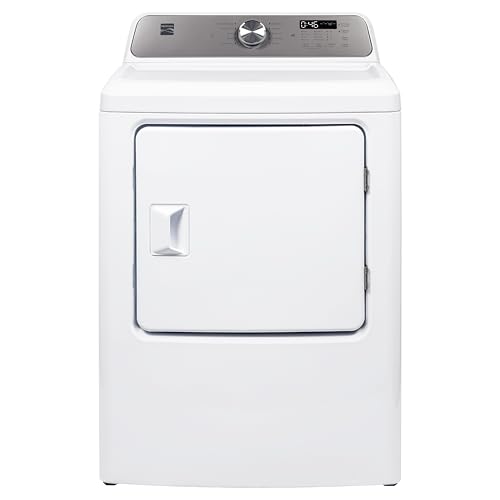 Kenmore 7.0 cu. ft. Front Load Gas Dryer
|
9.9/10 | $1,061.77 | Buy |
| Best Value |
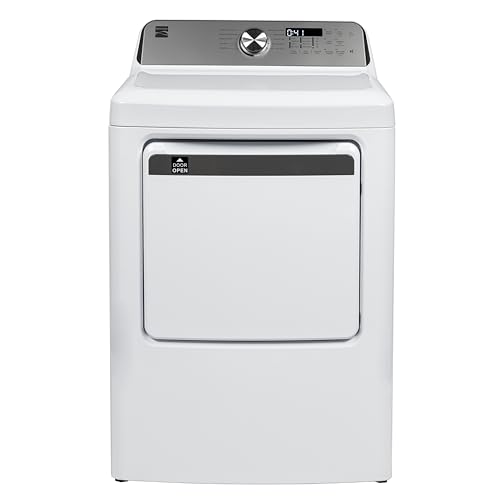 Kenmore 7.0 cu. ft. Front Load Gas Dryer
|
9.8/10 | $899.99 | Buy |
| Best Premium |
 LG 9.0 cu. ft. Vented Gas Dryer
|
9.8/10 | $1,499.00 | Buy |
| Best Budget |
 GE Profile PTD60GBSRWS 7.4 Cu. Ft. Gas Dryer
|
9.8/10 | $828.99 | Buy |
 GE Profile 7.2 cu. ft. Gas Dryer
|
9.6/10 | $678.99 | Buy | |
 GE GTD48GASWWB 7.2 cu. ft. Gas Dryer
|
9.5/10 | $699.99 | Buy | |
 Samsung DVG45B6300W 7.5 cu. ft. Gas Dryer
|
9.5/10 | $849.99 | Buy | |
 Kenmore 8.0 cu. ft. Front Load Gas Dryer
|
9.5/10 | $1,099.99 | Buy |
Kenmore 7.0 cu. ft. Front Load Gas Dryer
With 10 drying cycles and smart moisture sensors, this Kenmore gas dryer prevents over-drying and helps fabrics last longer. The wrinkle guard option and large 7.0-cubic-foot capacity make it a solid choice for households that want reliable, gentle drying without complicated settings.
Pros
- Smart sensors prevent over-drying
- Wrinkle guard tumbles after cycle ends
- Large 7.0 cu. ft. capacity
- Easy LED touch controls
Cons
- No steam cycle for refresh
- Limited cycle options compared to premium models
Kenmore 7.0 cu. ft. Front Load Gas Dryer
This Kenmore gas dryer offers 10 drying cycles and smart moisture sensors to prevent over-drying, making it a reliable choice for large loads. Its 7.0 cubic foot capacity handles bedding and bulky items, and the wrinkle guard option helps keep clothes smooth without ironing.
Pros
- Large 7.0 cu. ft. capacity
- Smart sensors prevent over-drying
- Wrinkle guard reduces ironing
- 10 drying cycles and 6 options
- Energy saver mode saves power
Cons
- Requires gas line connection
- Available only in white
- No steam cycle included
LG 9.0 cu. ft. Vented Gas Dryer
This vented gas dryer from LG offers an extra-large 9.0 cubic foot capacity, making it ideal for families with bulky items like comforters. It features steam technology for wrinkle reduction and sanitization, plus sensor drying that adjusts heat and time automatically for efficient fabric care.
Pros
- Extra-large 9.0 cu ft capacity
- Steam cycle reduces wrinkles and sanitizes
- Sensor Dry for optimal energy use
- ENERGY STAR certified for efficiency
- Stackable design saves space
Cons
- Requires external venting
- Heavy at 161 pounds for installation
- Gas connection needed
GE Profile PTD60GBSRWS 7.4 Cu. Ft. Gas Dryer
This front-load gas dryer from GE Profile combines a 7.4-cubic-foot drum with sensor drying technology to prevent over-drying. A Sanitize cycle and Energy Star certification make it a practical choice for households prioritizing hygiene and efficiency.
Pros
- Sensor Dry prevents over-drying
- Sanitize cycle for hygienic loads
- Energy Star certified for efficiency
Cons
- Requires gas line installation
- Heavy at over 122 pounds
GE Profile 7.2 cu. ft. Gas Dryer
This gas dryer features automatic drying cycles and a powerful venting system capable of installations up to 120 feet. Its large diffuser helps ensure even heat distribution for consistent drying results.
Pros
- Auto Dry cycle for convenience
- Up to 120 ft. venting for flexible installation
- Large diffuser promotes even drying
- Reversible door for placement options
Cons
- Heavy at 103 pounds, may need two people to install
GE GTD48GASWWB 7.2 cu. ft. Gas Dryer
This gas dryer from GE's Profile line offers a spacious 7.2 cu. ft. drum ideal for bulky items and extra-long venting capability up to 120 feet for flexible installation. Multiple drying cycles accommodate various fabric types, making it a versatile choice for households with heavy laundry demands.
Pros
- Large 7.2 cu. ft. capacity for bulky loads
- Up to 120 ft. venting for flexible placement
- Extended tumble feature reduces wrinkles
- Multiple drying cycles for different fabrics
- Sleek white finish with matte black backsplash
Cons
- Requires gas line installation
- Heavy unit at 107 pounds
- Limited color option (white only)
Samsung DVG45B6300W 7.5 cu. ft. Gas Dryer
This Samsung gas dryer provides a roomy 7.5 cu. ft. drum that handles bulky loads like comforters and towels with ease. Sensor Dry technology automatically adjusts drying time to prevent overdrying, and the multiple preset cycles offer flexibility for different fabric types. Its modern white design fits neatly into most laundry rooms.
Pros
- Spacious 7.5 cu. ft. capacity
- Sensor Dry prevents overdrying
- Multiple preset drying cycles
- Gas operation is energy efficient
- Sleek white finish
Cons
- Requires gas hookup (not electric)
Kenmore 8.0 cu. ft. Front Load Gas Dryer
This gas dryer offers a generous 8.0 cubic foot capacity and includes Accela Steam technology to refresh clothes and reduce wrinkles in 15 minutes. Smart sensors prevent over-drying, and 12 cycles plus 8 options give flexibility for various fabrics, from bedding to delicate items.
Pros
- Steam cycle refreshes clothes quickly
- Large capacity handles bulky bedding
- Smart sensors protect fabrics
- 12 cycles suit various fabric types
- Wrinkle Guard reduces post-cycle creasing
Cons
- Requires gas line installation
- Heavy at 138.6 pounds
- Only available in white
Best Gas Clothes Dryer Buying Guide
Capacity and Drum Size
Drum volume directly determines how much laundry you can dry in a single cycle.
Compact models with 7.0 to 7.4 cubic feet work well for small households or tight spaces, while families often prefer 8.0 to 9.0 cubic feet to handle bulky bedding and large loads with fewer cycles.
A larger drum also allows items to tumble more freely, which reduces wrinkles and speeds drying. When comparing capacities, note that gas models with similar dimensions may have slightly different usable space due to drum shape and baffle design.
Check the product specs to match the drum size to your typical weekly load.
Drying Performance and Sensor Technology
Effective drying depends on both heat output and moisture sensing.
Gas dryers heat up quickly and maintain high BTU output, but the best models use advanced sensor drying that stops the cycle automatically when the clothes reach the desired dryness level. This prevents over-drying, saves energy, and protects fabrics.
Look for models with multiple moisture sensors or steam functions that help relax wrinkles and reduce odors. Some premium gas dryers also offer specialized cycles for delicates, heavy-duty items, and sanitizing, giving you greater control over laundry care.
Energy Efficiency and Operating Cost
Gas dryers often cost less to operate than electric models in regions with high electricity prices. However, efficiency varies by model.
ENERGY STAR certification indicates lower energy consumption, but even within that category, actual utility costs depend on local gas rates and your usage habits. The moisture sensors mentioned above also contribute to efficiency by avoiding unnecessary run time.
When evaluating a gas dryer, consider the total cost of ownership over its expected lifespan, including the initial purchase price, installation, and routine maintenance like vent cleaning.
Venting and Installation Flexibility
All gas clothes dryers require a vent to exhaust moisture and combustion byproducts outdoors. Venting length and configuration affect installation options: longer runs need more powerful blowers, and sharp bends reduce airflow.
Some models offer extended venting capability up to 120 feet, which is helpful if the dryer is located far from an exterior wall.
Before purchasing, measure the distance from the planned location to the vent outlet and check the dryer’s maximum vent length.
Also confirm that a gas hookup is available and that your home’s gas line can supply the unit safely. Professional installation is strongly recommended for gas dryers.
Noise and Build Quality
A quiet, well-built dryer makes laundry less disruptive, especially if the machine is near living areas or bedrooms. Gas dryers produce a lower-pitched rumble compared to electric models, but motor and drum noise vary by brand and construction.
Stainless steel drums are more durable and resist chipping, and models with sound-dampening insulation or vibration-reducing feet run more quietly. Reading verified owner feedback for mentions of noise or early failures can alert you to potential issues.
Trusted brands like Kenmore, LG, and GE generally receive higher marks for long-term reliability, but specific models within a lineup may differ. For more details on assessing appliance quality, see our dishwashers buying advice.
Smart Features and Convenience
Modern gas dryers offer a range of convenience features: Wi-Fi connectivity lets you start, stop, and receive cycle notifications from a smartphone app; steam cycles refresh clothes without a full wash; and wrinkle shield settings periodically tumble garments after the cycle ends to prevent creases.
While these extras are not essential for drying performance, they can simplify laundry routines. Consider whether you prefer a simple knob-and-button interface or a touchscreen, and whether smart features justify the price premium.
For those with limited space, a stackable gas dryer paired with a matching washer can save floor area. If you are exploring compact setups, check out our clothes dryer guide for small spaces.
Why You Should Trust Us
BestProducts is an independent review site that helps you find the best products for your needs. We evaluate each gas clothes dryer using our proprietary BP Score on a 0 to 10 scale.
Our scoring is based on a comprehensive analysis of technical specifications, consensus among expert reviews, verified buyer feedback, and published data from reputable sources.
We do not conduct our own product trials; our evaluations are grounded in research, published data, expert review consensus, and verified buyer feedback. Every product is reviewed against consistent criteria, including capacity, drying performance, energy efficiency, build quality, and value.
This approach ensures our recommendations are objective and reliable. When you buy through affiliate links on our site, we may earn a commission, but this does not influence our ratings or reviews.
Final Thoughts
After reviewing the top gas clothes dryers on the market, we have selected the following award winners to help you choose the model that best fits your laundry room and budget.
- Best Overall: Kenmore 7.0 cu. ft. Front Load Gas Dryer earns the top spot with the highest BP Score in our lineup. Its combination of reliable sensor drying, solid build quality, and consistent positive owner feedback makes it a standout choice for most households.
- Best Value: Kenmore 7.0 cu. ft. Front Load Gas Dryer (second Kenmore model) delivers nearly identical performance at a more accessible price point, offering excellent value without sacrificing essential features like wrinkle guard and smart sensor drying.
- Best Capacity: LG 9.0 cu. ft. Vented Smart Stackable Gas Dryer provides the largest drum in our selection, ideal for big families and bulky bedding. Its TurboSteam technology and energy-efficient operation add extra convenience.
- Budget Pick: GE GTD48GASWWB 7.2 cu. ft. Gas Dryer offers dependable drying performance with extended venting capability and a reversible door, all at a budget-friendly price. It is a solid choice for cost-conscious shoppers who still want reliable gas drying.
Frequently Asked Questions
Are gas dryers more efficient than electric dryers?
Gas dryers typically cost less to operate per load because natural gas is often cheaper than electricity for generating heat. They also tend to dry clothes faster.
However, electric dryers have become more efficient in recent years, especially heat pump models. The best choice depends on your local utility rates and available hookups.
Do I need professional installation for a gas dryer?
Yes, gas dryer installation should always be done by a qualified professional. It involves connecting to the gas line, ensuring proper ventilation, and checking for leaks. Incorrect installation can lead to fire or carbon monoxide hazards.
Many retailers offer installation services at the time of purchase.
How long does a gas clothes dryer typically last?
With proper maintenance, a gas dryer can last 12 to 16 years. Key factors that affect lifespan include build quality, usage frequency, and regular cleaning of the lint filter and vent system.
Brands like Kenmore, LG, and GE are known for durability, but individual model reliability varies. For guidance on maintaining laundry appliances, see our dehumidifier care tips (similar principles apply to vent maintenance).
Can I use a gas dryer with propane instead of natural gas?
Most gas dryers can be converted to run on propane using a conversion kit. The process involves changing the burner orifice and adjusting gas pressure, and it should be performed by a professional.
Check the product specifications to confirm that a propane conversion kit is available for the model you’re considering.
What is sensor drying and why is it important?
Sensor drying uses moisture sensors inside the drum to detect when clothes are dry and automatically stops the cycle. This prevents over-drying, saves energy, and protects fabrics from heat damage.
It’s considered a must-have feature for any modern dryer because it improves efficiency and garment care.
Should I buy a vented or ventless gas dryer?
Vented gas dryers are the most common and require an exterior vent to expel moist air. They are generally more efficient and dry faster.
Ventless gas dryers (condenser or heat pump) are rare and mainly found in compact form, but they offer installation flexibility in homes without venting. For most homes, a vented gas dryer is the practical choice.
If you need a space‑saving option, explore our best clothes dryer for small spaces.
About the author
Salvador reviews clothes dryers and dishwashers for BestProducts, comparing cycle performance, noise levels, and running costs over years of use. He steers readers toward quiet, efficient machines that earn their place in a busy household.