The Best Hiking Boot
From budget-friendly picks to premium models, our researched guide highlights the top hiking boots for comfort, traction, and waterproofing. Find the perfect pair for your next adventure.
 By Logan Foster
Updated September 12, 2026
By Logan Foster
Updated September 12, 2026
Whether you are tackling a weekend trail or planning a multi-day backpacking trip, a reliable pair of hiking boots can make the difference between a memorable adventure and a painful ordeal.
With countless options on the market, finding the right balance of support, traction, waterproofing, and comfort can feel overwhelming.
At BestProducts, we cut through the noise by conducting thorough research: we analyze specifications, study expert review consensus, examine verified buyer feedback, and weigh published data to assign each boot a BP Score on a 0 to 10 scale.
Our goal is to help you find the best hiking boot for your specific needs without wasting time or money. Below, you will find our top picks, each carefully vetted for performance and value.
From budget-friendly options that punch above their weight to premium models built for rugged terrain, our list covers a range of styles and price points. Whether you prioritize ankle support, lightweight design, or all-day comfort, we have identified the standouts.
Explore our curated selection and discover which boot is right for your next outdoor excursion.
| Award | Product | BP Score About BP ScoreThe BP Score is our own rating from 0 to 10, based on performance, design and build, ease of use, and value. It reflects independent research and is never influenced by manufacturers, retailers, or affiliate commissions. Learn more › | Price | |
|---|---|---|---|---|
| Best Value |
 NORTIV 8 Waterproof Ankle Hiking Boots
|
9.9/10 | $46.66 | Buy |
| Best Overall |
 NORTIV 8 Women's Lightweight Ankle Hiking Boots
|
9.9/10 | $43.99 | Buy |
| Best Premium |
 Merrell Moab 3 Mid Waterproof Hiking Boot
|
9.8/10 | $138.08 | Buy |
 Columbia Transverse Waterproof Hiking Boot
|
9.6/10 | $79.99 | Buy | |
| Best Budget |
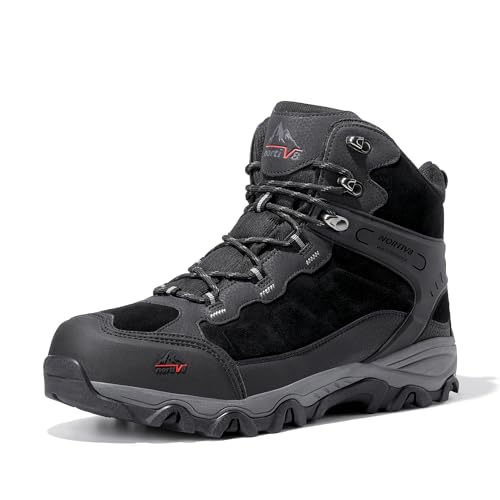 NORTIV 8 Waterproof Hiking Boots
|
9.5/10 | $45.54 | Buy |
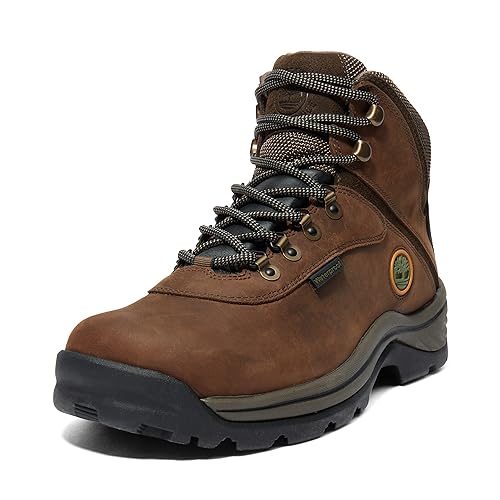 Timberland White Ledge Mid Waterproof Hiking Boot
|
9.5/10 | $119.95 | Buy |
NORTIV 8 Waterproof Ankle Hiking Boots
These boots combine comfort and traction for outdoor enthusiasts. With removable cushioned insoles and lightweight EVA midsoles, they reduce fatigue on long hikes. The slip-proof rubber soles provide stability on wet or muddy terrain, making them versatile for hiking, camping, and more.
Pros
- Removable shock-absorbent insoles for support
- Lightweight EVA midsoles reduce foot fatigue
- Slip-proof rubber soles with advanced traction
- Versatile for various outdoor activities
NORTIV 8 Women's Lightweight Ankle Hiking Boots
These lightweight hiking boots from NORTIV 8 combine EVA cushioning with a breathable mesh upper for comfort on the trail. Their water-resistant design and slip-resistant outsole provide reliable stability, while the vibrant color-block styling adds a sporty touch.
Pros
- Lightweight at 12.3 oz per shoe
- Water-resistant for up to four hours
- Slip-resistant rubber outsole
- Breathable mesh upper
- Durable Oxford fabric with TPU reinforcement
Cons
- Limited color options available
- Tongue design may not block all debris
Merrell Moab 3 Mid Waterproof Hiking Boot
The Merrell Moab 3 Mid is a waterproof hiking boot built with recycled materials and a Vibram outsole for traction. Its air cushion and EVA midsole enhance comfort on moderate trails, making it a reliable option for day hikers.
Pros
- Waterproof membrane keeps feet dry
- Recycled laces and mesh lining
- Vibram TC5+ sole for grip
- Bellows tongue blocks debris
- Lightweight and cushioned
Columbia Transverse Waterproof Hiking Boot
This waterproof hiker from Columbia uses Omni-Tech technology to keep feet dry in moderate rain and snow. The Techlite midsole provides lightweight cushioning, while the Omni-Grip outsole ensures stable traction across varied terrain.
Pros
- Waterproof and breathable Omni-Tech membrane
- Lightweight Techlite cushioning with high energy return
- Omni-Grip outsole for multi-terrain traction
- Durable leather and mesh construction
Cons
- Best for moderate rain and snow, not heavy downpours
NORTIV 8 Waterproof Hiking Boots
These NORTIV 8 hiking boots are built with a waterproof membrane to keep feet dry on wet trails. A rubber toe cap and reinforced heel offer protection and stability, while the slip-resistant outsole provides grip on varied terrain. They feature a cushioned, removable insole and shock-absorbing midsole for comfort during outdoor activities.
Pros
- Waterproof membrane construction
- Rubber toe cap for protection
- Reinforced heel for stability
- Slip-resistant rubber outsole
- Cushioned removable insole with shock absorption
Cons
- Only available in black color
Timberland White Ledge Mid Waterproof Hiking Boot
Built with waterproof Premium Timberland Leather and a fully gusseted tongue, this boot keeps feet dry on wet trails. The EVA footbed and midsole provide cushioning for all-day comfort, making it a reliable choice for moderate hikes.
Pros
- Waterproof leather upper
- Fully gusseted tongue blocks debris
- Rustproof lacing hardware
- Cushioned EVA footbed and midsole
Cons
- Weight may feel heavy for some
- Break-in period may be needed
Best Hiking Boot Buying Guide
Fit and Comfort
A proper fit is the foundation of any great hiking boot. Even the most advanced technology cannot compensate for a boot that pinches, slides, or causes hot spots.
When evaluating fit, pay attention to toe room, heel lockdown, and arch support.
Many experienced hikers recommend trying boots with the socks you plan to wear on the trail, and leaving a thumb’s width of space between your longest toe and the front of the boot to prevent blisters on descents.
For those with wide feet or high arches, look for brands offering multiple width options or removable insoles that can accommodate custom orthotics.
Comfort also extends to the collar and tongue padding; a well-padded collar reduces friction around the ankle, while a gusseted tongue keeps debris out.
Remember that a boot that feels great in the store may behave differently after a few miles. Consider reading verified buyer feedback to learn how a model breaks in over time.
Some boots require a short break-in period, while others feel comfortable right out of the box. If you prioritize immediate comfort, look for models with plush cushioning and flexible midsoles.
For those who prefer a stiffer platform for heavy loads, a traditional leather boot may need a few hikes to mold to your foot.
Waterproofing and Breathability
Staying dry is crucial for both comfort and safety on the trail. Wet feet can lead to blisters, cold feet, and even trench foot in prolonged conditions.
Most modern hiking boots use a waterproof membrane such as Gore‑Tex or a proprietary equivalent, which blocks water from entering while allowing moisture vapor to escape.
However, no membrane is perfectly breathable; in warm weather or during high‑output hikes, your feet may still sweat. Look for boots that strike a balance between waterproofing and ventilation.
For wet climates or stream crossings, a boot with a high ankle collar and a sealed tongue can provide extra protection. For drier, warmer conditions, a non‑waterproof boot may be lighter and more breathable.
Some boots also feature water‑resistant leather uppers combined with a membrane, offering durability and a classic look.
Keep in mind that waterproof boots tend to dry more slowly once they get wet from the inside, so consider your typical hiking environment.
If you often hike in rain or snow, prioritize a boot with a proven waterproof reputation and quality construction.
Traction and Outsole
The outsole is your connection to the trail, and a good one can prevent slips on wet rock, loose gravel, or muddy slopes. Most hiking boots use rubber compounds from specialized brands like Vibram or Continental.
Look for deep, multi‑directional lugs that bite into soft terrain and provide braking traction on descents.
The hardness of the rubber also matters: softer compounds grip better on smooth rock but wear faster, while harder compounds last longer but may be slick on wet surfaces.
A heel brake (a distinct angled section at the heel) helps control speed on steep downhill sections.
For technical terrain or off‑trail use, a boot with a stiffer sole and a pronounced rocker can improve stability and reduce foot fatigue. For well‑maintained trails, a lighter, more flexible sole may be sufficient.
Pay attention to the outsole pattern: chevron‑shaped lugs are effective for forward motion, while square lugs provide better lateral grip.
If you often hike in wet conditions, consider a boot with a rubber toe cap and heel rand for added durability and protection.
Support and Weight
The level of ankle support you need depends on your load, terrain, and personal ankle strength. Lightweight hiking shoes offer minimal support and are best for day hikes on easy trails.
Mid‑cut boots provide moderate ankle support and are the most popular choice for general hiking. High‑cut boots or backpacking boots offer maximum support for heavy packs and uneven terrain. However, more support usually means more weight.
A heavier boot can tire you out faster, especially on long miles. Modern materials like synthetic uppers and EVA midsoles help reduce weight without sacrificing durability.
Consider your typical hiking style: if you prefer fast‑paced day hikes, a lighter boot may be ideal. If you carry a heavy pack over rough terrain, prioritize support and torsional rigidity.
Some boots feature a shank (a stiff piece of material between the midsole and outsole) that provides stability and protects your feet from sharp rocks.
For those with weak ankles or a history of sprains, a boot with a higher cut and a supportive heel counter can make a significant difference.
Durability and Construction
Hiking boots are an investment, and durability directly affects how long they will last. Uppers made from full‑grain leather are extremely durable and mold to your foot over time, but they are heavy and require more maintenance.
Split‑grain leather or synthetic materials like nylon and mesh are lighter, dry faster, and are often more affordable. Look for reinforced areas at the toe and heel, as these take the most abuse.
Stitching quality matters: double or triple stitching in high‑stress areas indicates a boot built to last. A rubber toe cap and heel rand add extra protection against rocks and abrasion.
The midsole is also critical for longevity. EVA foam midsoles provide good cushioning but can compress over time. Polyurethane midsoles are denser and more durable but heavier. Some boots use a combination of materials for the best of both worlds.
Finally, consider the outsole warranty: some manufacturers offer a limited warranty on the outsole, which speaks to their confidence in the product.
Reading verified buyer feedback can reveal common failure points, such as sole separation or lace eyelet breakage, that may not be apparent from specs alone.
Why You Should Trust Us
BestProducts is an independent review site dedicated to helping you make informed buying decisions. We do not conduct our own product trials; our evaluations are grounded in research, published data, expert review consensus, and verified buyer feedback.
Each product is scored on our 0 to 10 BP Score, using a consistent set of criteria that includes specifications, performance claims, user satisfaction, and value.
We analyze dozens of sources, including professional gear testers, outdoor enthusiasts, and thousands of customer reviews, to ensure our recommendations reflect real‑world performance. Our affiliate relationships do not influence our ratings or editorial content.
For more details on our methodology, please visit our best boot guide.
Final Thoughts
- Best Overall: NORTIV 8 Men’s Ankle High Waterproof Hiking Boots, With a top‑tier BP Score, this boot delivers outstanding waterproofing, solid ankle support, and a comfortable fit at a remarkably affordable price. It excels across all key categories, making it our top recommendation for most hikers.
- Best for Women: NORTIV 8 Women’s Lightweight Ankle Hiking Boots, Equally impressive in its category, this women‑specific model offers the same high‑quality construction and waterproof performance, tailored to fit women’s feet. It earns a near‑perfect BP Score for its combination of comfort, traction, and value.
- Best Value: NORTIV 8 Men’s Waterproof Lightweight Hiking Boots, For budget‑conscious hikers, this boot provides reliable waterproofing and decent support without breaking the bank. It scores a strong BP Score and proves you don’t need to spend a fortune for quality.
- Best for Long Hikes: Merrell Men’s Moab 3 Mid Waterproof Hiking Boot, A trusted classic, the Moab 3 offers excellent out‑of‑box comfort and proven durability for extended trips. Its high BP Score reflects consistent praise from experts and long‑distance hikers alike.
Frequently Asked Questions
How should hiking boots fit?
Your hiking boots should fit snugly in the heel and midfoot while leaving about a thumb’s width of space between your longest toe and the front of the boot. This prevents your toes from jamming on descents.
Try boots on with the socks you plan to wear, and walk on an incline to evaluation for heel lift. If you have wide feet, look for brands that offer wide sizing or have a reputation for roomier toe boxes.
Are waterproof hiking boots necessary?
Waterproof boots are beneficial if you hike in wet conditions, cross streams, or hike in snow. They keep your feet dry, which helps prevent blisters and discomfort.
However, they are less breathable than non‑waterproof boots, so in hot, dry climates, a non‑waterproof boot may be more comfortable. Consider your typical environment: if you encounter water often, a waterproof boot is a wise investment.
How do I break in new hiking boots?
Start by wearing your boots around the house for short periods, then progress to short walks on pavement. Gradually increase the distance and difficulty over several days or weeks.
Avoid taking new boots on a long hike without breaking them in first. Some boots, especially those with leather uppers, may require more time. Using a boot conditioner can help soften leather.
If you experience persistent pain, the boots may not be the right fit.
Can I use hiking boots for everyday wear?
Many people find hiking boots comfortable for daily use, especially in wet or cold weather. However, their stiff soles and high ankles can feel bulky for casual wear.
If you want a boot that transitions from trail to town, consider a lighter, more flexible model. For dedicated everyday boots, you might also explore our best Chelsea boots for a more stylish option.
How do I clean and maintain my hiking boots?
After each hike, remove dirt and mud with a soft brush or cloth. For waterproof boots, periodically treat them with a waterproofing spray or wax to maintain the membrane’s effectiveness. Allow boots to dry naturally away from direct heat.
Store them in a cool, dry place. For deep cleaning, follow the manufacturer’s instructions. A good boot dryer can help extend the life of your boots by drying them thoroughly after wet hikes.
What is the difference between hiking boots and hiking shoes?
Hiking boots typically have a higher cut that covers the ankle, providing more support and protection. They are heavier but better suited for rough terrain and heavy packs.
Hiking shoes are lower cut, lighter, and more flexible, ideal for day hikes on well‑maintained trails. Your choice depends on the type of hiking you do and your personal preference for ankle support.
For more on footwear options, see our best active boot roundup.
About the author
Logan covers sneakers and boots for BestProducts, comparing comfort, materials, support, and how each pair wears over a season. He helps readers buy footwear that looks right and holds up daily.