The Best Large Pressure Cooker
We evaluated top large pressure cookers based on capacity, material, and ease of use. Find the perfect model for your kitchen in our expert roundup.
 By Myrtle Baker
Updated September 12, 2026
By Myrtle Baker
Updated September 12, 2026
Whether you’re meal-prepping for a large family or batch-cooking stews and soups for the week, a large pressure cooker can cut cooking time dramatically while locking in flavor.
These oversized kitchen workhorses can handle roasts, whole chickens, and big batches of beans or stock, making them indispensable for anyone who cooks in volume.
In this guide, we’ve researched and evaluated the top models on the market, weighing capacity, material, safety features, and overall value to help you find the best large pressure cooker for your kitchen.
Our team analyzed specifications, expert review consensus, and verified buyer feedback to score each product on our 0-to-10 BP Score.
The result is a curated list of standout pressure cookers, from classic stovetop designs to programmable electric models, that deliver consistent performance and durability.
Scroll down to see our top picks, then use the buying guide below to make an informed decision.

Prestige Popular 5-Liter Aluminum Pressure Cooker
This Prestige Popular model is a sturdy 5-liter aluminum pressure cooker built for everyday family meals. Its thick base and stronger lugs aim for safe, long-term use, while the GRS and MSP safety systems add peace of mind.
Pros
- Heavy-duty virgin aluminum build
- Robust safety features (GRS, MSP)
- ISI and international safety certified
- Comfortable, ergonomic handles
- Thick base for even heat distribution
Cons
- Manual requires careful reading before use
- Aluminum may not suit all stovetops

COMFEE' 6-Quart Electric Pressure Cooker
The COMFEE' 6-Quart Electric Pressure Cooker is a versatile multicooker that replaces nine appliances. It offers 14 preset programs for dishes like meat, broth, and yogurt, along with 10 safety features and a 24-hour delay timer for convenient meal planning.
Pros
- Versatile 9-in-1 functionality replaces multiple appliances
- 14 preset programs for easy one-touch cooking
- 10 safety features for secure operation
- 24-hour delay timer for flexible meal planning
- Includes useful accessories like spoon, ladle, and steam rack
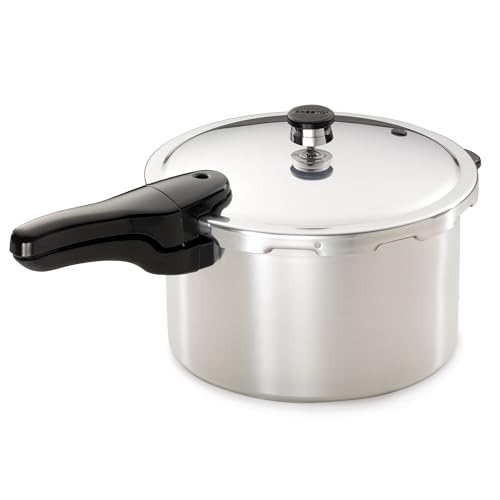
Presto 01282 8-Quart Aluminum Pressure Cooker
The Presto 01282 is an 8-quart aluminum pressure cooker that cooks meals up to 10 times faster than conventional methods. Its automatic pressure regulator and safety lock ensure consistent results and confident use, while the included rack and recipe book add convenience.
Pros
- Fast cooking times
- Easy-to-use pressure regulator
- Safety lock for peace of mind
- Includes rack and recipe book
- Versatile range compatibility
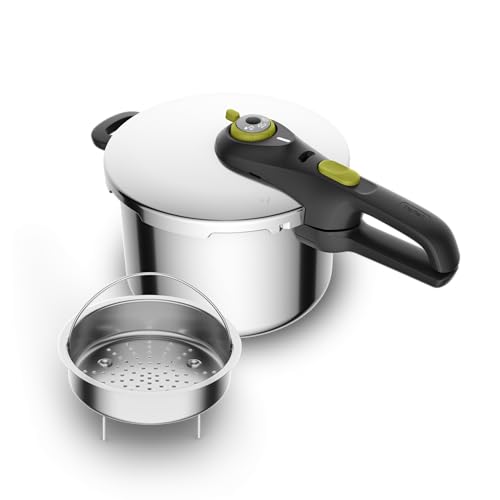
T-Fal Secure 6.3-Quart Pressure Cooker
This 6.3-quart pressure cooker from T-Fal cooks meals up to twice as fast with its secure locking system and two optimized settings for veggies or meat. The durable stainless steel works on all cooktops including induction, and the 5-point safety system ensures peace of mind.
Pros
- 5-point safety system
- Cooks up to 2x faster
- Durable stainless steel construction
- Two nutrient-preserving cooking settings
- Includes steam basket and dishwasher safe
Cons
- Weighs 6.38 pounds, may be heavy for some

Midea 12-in-1 6-Quart Electric Pressure Cooker
This stainless steel multi-cooker combines 12 functions into one unit, covering pressure cooking, slow cooking, and yogurt making. With a 6-quart capacity and smart one-touch programs, it simplifies meal prep for families up to six.
Pros
- Versatile 12-in-1 functionality
- Stainless steel inner pot is durable and non-reactive
- Advanced safety features for peace of mind
- Dishwasher-safe parts simplify cleaning
- Speeds up cooking significantly
Cons
- Stainless steel pot may require more oil to prevent sticking
- Large footprint may take up counter space

Midea 12-in-1 8-Quart Electric Pressure Cooker
This Midea pressure cooker packs a dozen cooking functions into one appliance, from pressure cooking to yogurt making. The 8-quart stainless steel inner pot feeds a family of eight and is dishwasher safe, while the REALSAFE system provides multiple safety protections. It's a practical choice for busy households that want fast, one-pot meals without sacrificing versatility.
Pros
- 12-in-1 functionality replaces multiple countertop appliances
- Stainless steel inner pot is durable and non-reactive
- 8-quart capacity serves up to 8 people
- Cooks up to 70% faster than traditional methods
- Dishwasher-safe pot and lid simplify cleanup
- Advanced REALSAFE system with pressure and temperature protection
Cons
- Large footprint requires considerable counter space

Instant Pot Duo 6-Quart 7-in-1 Pressure Cooker
The Instant Pot Duo is a versatile 7-in-1 electric pressure cooker that speeds cooking by up to 70%. With customizable smart programs and over 10 safety mechanisms, it's ideal for families and meal prep. The stainless steel inner pot and dishwasher-safe parts simplify cleanup.
Pros
- Multiple cooking functions in one device
- Significantly faster than traditional slow cooking
- Easy-to-use smart programs for various recipes
- Dishwasher-safe components simplify cleanup
- Comprehensive safety features included
Cons
- Heavy at 14.6 pounds
- Large footprint may be bulky for small kitchens

Presto 01264 6-Quart Aluminum Pressure Cooker
This 6-quart aluminum pressure cooker from Presto uses heavy-gauge construction for quick, even heating. It features an automatic pressure regulator, a cover lock indicator for safety, and includes a rack for cooking multiple foods without flavor transfer. Backed by a 12-year limited warranty, it's a solid choice for cooks who want to tenderize economical cuts of meat quickly.
Pros
- Fast cooking with even heat distribution
- Automatic pressure regulation for convenience
- Safety lock prevents accidental opening
- Includes rack for multi-food cooking
- Long 12-year warranty
Cons
- Not compatible with induction cooktops
- Aluminum may discolor over time

Presto 01362 6-Quart Pressure Cooker
This 6-quart stainless steel pressure cooker from Presto offers automatic pressure regulation and a cover lock indicator for safety. It works on induction, smooth-top, and regular ranges, and comes with a 64-page recipe book. A good choice for cooks looking to quickly tenderize meats or prepare vegetables without monitoring pressure.
Pros
- Automatic pressure regulator for consistent cooking
- Cover lock indicator prevents opening under pressure
- Compatible with induction, smooth-top, and regular ranges
- Includes a 64-page instruction and recipe book
- Extended 12-year limited warranty
Cons
- Sealing ring and overpressure plug must be hand washed

T-fal 22-Quart Aluminum Pressure Canner
This large 22-quart canner handles both pressure and water bath canning for low- and high-acid foods. Its durable aluminum construction heats evenly, while the secure lid and easy-to-read gauge prioritize safety for beginners and experienced canners alike.
Pros
- Durable aluminum ensures even heat distribution
- Versatile: pressure and water bath canning in one unit
- Large capacity fits multiple jar sizes
- Safety features suitable for beginners
- Includes racks and guide for easy start
Cons
- Not compatible with induction cooktops
- Heavy at nearly 15 pounds
- Limited one-year warranty

Instant Pot Rio Wide 7.5-Quart Pressure Cooker
This 7-in-1 electric pressure cooker features a wide base that offers 35% more cooking area than a 12-inch skillet, ideal for sautéing and batch meals. With 7 functions and 13 smart programs, it suits families needing quick, versatile meals.
Pros
- 7-in-1 functionality covers most cooking needs
- Wide base provides ample cooking surface
- Dishwasher-safe pot and lid simplify cleanup
- Over 10 safety mechanisms for worry-free use
Cons
- Heavy at nearly 18 pounds
Best Large Pressure Cooker Buying Guide
Capacity and Size
Large pressure cookers typically range from 6 to 10 quarts, with some models reaching 22 quarts for canning. Choosing the right capacity depends on how many people you cook for and the types of meals you prepare.
A 6‑quart model is enough for a family of four and fits whole chickens or large roasts, while an 8‑quart cooker handles bigger batches of soup or chili.
For serious batch cooking or pressure canning, look at 10‑quart or larger units, but keep in mind that larger cookers take up more stovetop or counter space.
If you’re unsure about size, our pressure cooker guide breaks down capacity recommendations in more detail.
Stovetop pressure cookers often have a wider footprint than electric models, so measure your cabinet height and burner clearance before buying. Electric pressure cookers are generally more compact and can sit on a countertop without needing a stove connection.
Consider how often you’ll use the full capacity, if you mostly cook for two, a 6‑quart unit may be more practical than a massive 10‑quart one.
Material: Aluminum vs. Stainless Steel
Aluminum pressure cookers heat up quickly and are lightweight, making them easy to handle and ideal for camp stoves. However, aluminum can react with acidic foods (like tomato sauce) and may discolor over time.
Stainless steel cookers are non‑reactive, more durable, and often feature a tri‑ply or clad base for even heat distribution. They’re heavier and more expensive, but they resist dents and last for decades.
For induction cooktops, stainless steel is a must, aluminum will not work. If you already own a cast‑iron skillet, you might also check out our cast iron cookware recommendations for stovetop versatility.
Many budget‑friendly options use aluminum, while premium models lean toward stainless steel. Our list includes both types, so you can choose based on your cooking habits and stovetop compatibility.
Verified buyer feedback often notes that stainless steel models are easier to clean and maintain their appearance longer.
Stovetop vs. Electric Pressure Cookers
Stovetop pressure cookers rely on a burner to generate pressure and require manual heat adjustment to maintain the correct pressure level. They reach higher pressures (typically 15 PSI) than most electric models, which means faster cooking times.
Electric pressure cookers are self‑contained units with built‑in heating elements, sensors, and pre‑programmed settings. They’re easier to use, set it and forget it, but usually max out at around 12 PSI.
Electric models also offer slow cooking, rice cooking, and even yogurt making, making them a true multi‑cooker. For a deeper comparison of features, see our multicooker guide.
If speed and raw power are your priorities, a stovetop model is the way to go. If convenience and versatility matter more, an electric pressure cooker may suit you better. Both categories are represented among our top picks, so you can weigh the trade‑offs.
Safety Features and Ease of Use
Modern pressure cookers come with multiple safety mechanisms: pressure‑release valves, locking lids that prevent opening under pressure, and over‑pressure plugs.
Stovetop models require you to monitor heat manually, but many include a pressure indicator (a pop‑up pin or weighted gauge) so you know when it’s safe to open.
Electric pressure cookers automate pressure regulation and often have a quick‑release button that vents steam safely. Some also have a “keep warm” function and a delay timer.
When using a large cooker for canning, it’s crucial to follow evaluated recipes, see our pressure cooker for canning meat guide for safety tips.
Ease of use also includes how easy it is to seal and open the lid. Some lids require precise alignment, while others have a simple twist‑lock mechanism.
Handles should stay cool and provide a secure grip, especially when the cooker is full and heavy. We’ve noted these factors in our reviews based on buyer feedback.
Additional Functions and Presets
Electric pressure cookers often come with a dozen or more preset programs for rice, soup, meat, beans, and even cake. These presets simplify cooking by automatically setting time and pressure.
Some models also include a sauté function, allowing you to brown meat directly in the pot before pressure cooking, saving you an extra pan. For those who like to experiment, a programmable model with adjustable pressure levels gives more control.
If you often combine pressure cooking with other methods, an electric multi‑cooker might be a better fit than a dedicated stovetop cooker. Pair it with a vacuum sealer for efficient meal‑prep and storage.
Stovetop models are simpler, no presets, but they’re incredibly reliable and can be used at high altitudes without electronic fuss. The choice comes down to how much automation you want in your cooking routine.
Cleaning and Maintenance
Both types of pressure cookers require regular cleaning of the lid gasket, valve, and pressure release mechanism to prevent clogging. Aluminum cookers are dishwasher‑safe but may discolor in the dishwasher; hand washing is recommended.
Stainless steel cookers often have a brushed finish that hides fingerprints and is easy to wipe clean. Electric pressure cookers have a removable inner pot that’s usually dishwasher‑safe, but the base and lid must be wiped by hand.
For large cookers, a wide opening makes scrubbing easier. If you also use dutch ovens for slow cooking, you’ll appreciate the similar easy‑clean surfaces of a stainless steel pressure cooker.
Over time, the sealing ring may absorb odors, especially with electric models. Many brands sell replacement gaskets, and some owners keep two rings on hand for sweet vs. savory dishes. Regular maintenance ensures your pressure cooker lasts for years.
Why You Should Trust Us
BestProducts is an independent review site that evaluates products through comprehensive research. We do not conduct our own product trials; our evaluations are grounded in research, published data, expert review consensus, and verified buyer feedback.
Each product is scored on a 0-to-10 BP Score using a consistent set of criteria tailored to its category. Our goal is to provide transparent, unbiased recommendations so you can shop with confidence.
We earn a commission when you purchase through our links, but this never influences our ratings or editorial content.
Final Thoughts
After analyzing dozens of models, we’ve highlighted the standouts in the large pressure cooker category. Each of these picks earned high BP Scores for their performance, build quality, and user satisfaction.
- Best Overall: Presto 01282 8‑Quart Aluminum Pressure Cooker, With a perfect balance of capacity, speed, and durability, this stovetop model consistently delivers excellent results. Its lightweight aluminum construction and reliable pressure regulation make it a top choice for families and batch cookers.
- Best Electric: COMFEE’ 12‑in‑1 Electric Pressure Cooker, 6 Quarts, This programmable electric model offers versatility with 12 presets, a nonstick pot, and easy one‑touch operation. It’s ideal for those who want the convenience of set‑and‑forget cooking without sacrificing performance.
- Best Stainless Steel: T‑Fal Secure Stainless Steel Stovetop Pressure Cooker, 6.3 qt, Combining the even heating of stainless steel with induction compatibility, this stovetop model is a long‑lasting workhorse. Its secure locking system and clear pressure indicator add to the user‑friendly experience.
- Best Budget: Presto 01264 6‑Quart Aluminum Pressure Cooker, An affordable yet reliable entry‑level option that doesn’t compromise on cooking power. Its simple design and fast cooking times make it a great starter pressure cooker for budget‑conscious cooks.
Frequently Asked Questions
What size pressure cooker is considered large?
Most manufacturers define a large pressure cooker as 6 quarts or larger. Eight‑quart models are common for families, while 10‑quart and above are ideal for canning or very large batches. For most home cooks, an 8‑quart unit offers the best balance of capacity and storage.
Can I use a large pressure cooker for canning?
Yes, but only if it is specifically designed for pressure canning. Stovetop pressure cookers that maintain 15 PSI are suitable for canning low‑acid foods.
Electric pressure cookers typically do not reach the necessary pressure for safe canning unless they are certified for that purpose. Always follow USDA guidelines and use a cooker with a gauge if you plan to can.
Are electric pressure cookers as effective as stovetop models?
Electric pressure cookers are very effective and offer greater convenience with preset programs and automatic pressure regulation. However, they generally operate at slightly lower pressure (10, 12 PSI) than stovetop models (15 PSI), which means cooking times can be a bit longer.
For most everyday meals, the difference is minimal, but for pressure canning or fastest results, stovetop is preferred.
How do I clean a large pressure cooker?
After each use, wash the pot, lid, and gasket in warm soapy water. Remove the pressure valve and clean it separately to prevent clogging. Most aluminum and stainless steel pots are dishwasher‑safe, but hand washing extends their life.
For electric models, wipe the base with a damp cloth and wash the inner pot in the dishwasher. Replace the sealing ring if it becomes worn or absorbs odors.
Is it safe to cook under pressure in a large cooker?
Yes, modern pressure cookers are engineered with multiple safety features, including pressure‑release valves, locking lids, and over‑pressure plugs.
As long as you follow the manufacturer’s instructions, never overfill, ensure the vent is clear, and use the correct amount of liquid, pressure cooking is perfectly safe. Electric models add extra safeguards with automatic shut‑off and pressure sensors.
What is the difference between aluminum and stainless steel pressure cookers?
Aluminum pressure cookers heat quickly and are lightweight, but they can react with acidic foods and may discolor. Stainless steel cookers are non‑reactive, more durable, and often have a tri‑ply base for even heating.
Stainless steel is also compatible with induction cooktops. The trade‑off is weight and cost, stainless steel is heavier and pricier, but it’s a long‑term investment that resists corrosion.
About the author
Myrtle covers pressure cookers, multicookers, and toaster ovens for BestProducts, judging cooking consistency, preset usefulness, and counter footprint. She helps readers replace several appliances with one that works.