The Best Pressure Washer for Driveways
We researched top pressure washers for driveways, evaluating PSI, GPM, attachments, and user feedback to find the most effective models for cleaning concrete and asphalt.
 By Liam Banks
Updated September 11, 2026
By Liam Banks
Updated September 11, 2026
Driveways take a beating from dirt, oil stains, moss, and tire marks. A dedicated pressure washer can restore them to like-new condition without hours of scrubbing.
But with so many models on the market, finding the right one for your driveway size and stain level can be overwhelming.
This guide cuts through the noise to help you choose the best pressure washer for driveways based on real specs, expert consensus, and verified owner experiences.
At BestProducts, we evaluate each pressure washer against a consistent set of criteria and score it on our 0-to-10 BP Scale.
We do not conduct our own product trials; our assessments are grounded in published specifications, expert review consensus, and thousands of verified buyer feedback points.
Below you will find our top-ranked picks for driveway cleaning, followed by a detailed buying guide to help you make the right decision.

KEEPEAK 1450 PSI Cordless Pressure Washer
This cordless pressure washer delivers 1450 PSI with a brushless motor and dual 4.0Ah batteries for up to 30 minutes of cleaning. Its 6-in-1 nozzle and lightweight design make it ideal for cars, patios, and driveways without the hassle of cords or hoses.
Pros
- Powerful 1450 PSI brushless motor
- Cordless with 30-minute runtime
- Lightweight at 2.18 lbs
- Versatile 6-in-1 nozzle
- Easy setup and storage
Cons
- Battery runtime limited to 30 minutes
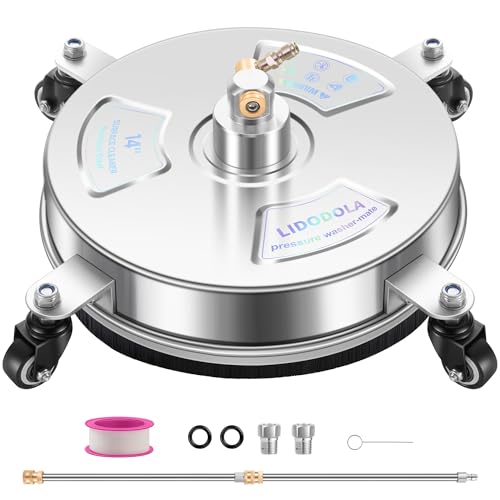
LidoDola 14-Inch Surface Cleaner
This professional-grade surface cleaner attaches to gas or electric pressure washers between 2000 and 4000 PSI, using dual spinning nozzles to scrub a 14-inch wide path. Its stainless steel build and weighted base keep it stable on driveways, decks, and sidewalks, while the included extension wands and replacement nozzles add value.
Pros
- Durable stainless steel construction
- Efficient dual-jet cleaning
- Universal compatibility with 2000-4000 PSI washers
- Smooth rolling on four wheels
- Comes with useful accessories
Cons
- Heavy at 7.7 pounds for extended use
- Best only on flat horizontal surfaces

LWQ Pressure Washer with 4 Nozzles & Foam Cannon
This pressure washer delivers strong cleaning with up to 2.5 GPM water flow and includes four quick-connect nozzles plus a foam cannon. Its compact build with rollers and anti-tipping base makes it easy to move and store, suitable for cars, driveways, and patio furniture.
Pros
- Powerful 2.5 GPM water flow for efficient cleaning
- Four quick-connect nozzles and foam cannon for versatility
- Easy setup with rollers and anti-tipping base
- Compact design with cord hook and nozzle holder for storage
- Water-saving high-pressure operation
Cons
- Requires air bleeding from hoses before operation
- Only includes four nozzles and one foam cannon
- Weighs 18 pounds which may limit portability

LWQ 2.5 GPM Portable Pressure Washer
This pressure washer from LWQ delivers up to 2.5 GPM for deep cleaning tasks like driveways and cars. Its dual-roller design and anti-tip base make it easy to move and stable during use.
Pros
- High water flow up to 2.5 GPM
- Four quick-connect nozzles plus foam cannon
- Dual-roller design for easy mobility
- Anti-tip base for stability
- Compact storage with cord hook and nozzle holders
Cons
- Requires air exhaustion from hoses before use
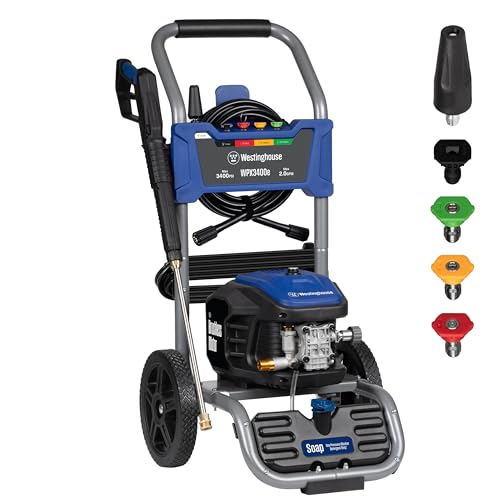
Westinghouse WPX3400e 3400 PSI Pressure Washer
The Westinghouse WPX3400e is a powerful electric pressure washer that delivers up to 3400 PSI, perfect for cleaning driveways, decks, and vehicles. Its brushless motor requires no maintenance, and the onboard soap tank makes applying detergent straightforward. With a steel frame and large wheels, it's built for durability and easy maneuverability.
Pros
- High 3400 max PSI for tough cleaning
- Maintenance-free brushless motor
- Onboard soap tank for easy detergent use
- Includes 5 quick-connect nozzles
- Durable steel frame with large wheels
Cons
- Rated GPM (1.1) is lower than max
- Soap tank capacity is only 0.5 gallon

Hourleey 14" Surface Cleaner 4000 PSI
This stainless steel surface cleaner attaches to most pressure washers via a 1/4" quick connector and covers a 14-inch cleaning path. Its four wheels and swivel design make it easy to maneuver across flat concrete, patios, and sidewalks, while the included extension wands reduce back strain.
Pros
- Stainless steel construction with heavy-duty bearing for durability
- Four wheels provide smooth, stable movement over flat surfaces
- Wide 14-inch cleaning path saves time on large areas
- Comes with two extension wands and extra nozzles
Cons
- Requires at least 2500 PSI for effective cleaning
- Wheel-to-wheel width may be bulky for tight spaces

Westinghouse ePX3050 2100 PSI Pressure Washer
This electric pressure washer delivers 2100 max PSI and 1.76 max GPM, making it a solid choice for cleaning decks, driveways, cars, and patio furniture. It comes with a foam cannon and turbo nozzle, plus a 35-foot GFCI cord for easier maneuverability. Based on specs and features, it offers a good balance of power and portability for residential use.
Pros
- Good power for residential tasks
- Comes with foam cannon and turbo nozzle
- Long 35-foot cord and 20-foot hose
- Compact and easy to maneuver
- Maintenance-free axial pump
Cons
- Rated flow of 1.2 GPM may be slow for large areas
- Electric motor requires nearby outlet
- No onboard accessory storage

IvyBess 4200 PSI 4.0 GPM Gas Pressure Washer
This IvyBess gas pressure washer offers heavy-duty cleaning with 4200 PSI and 4.0 GPM, powered by a 212cc engine. It comes with five quick-connect nozzles and a 25ft hose, making it suitable for tough jobs on driveways, decks, and siding.
Pros
- High 4200 PSI and 4.0 GPM for strong cleaning
- 212cc engine with reliable axial cam pump
- Five spray nozzles for versatile use
- 25ft hose for wide coverage
- Durable steel frame with all-terrain wheels
Cons
- Heavy at 66 pounds
- Requires regular maintenance of engine oil and fuel
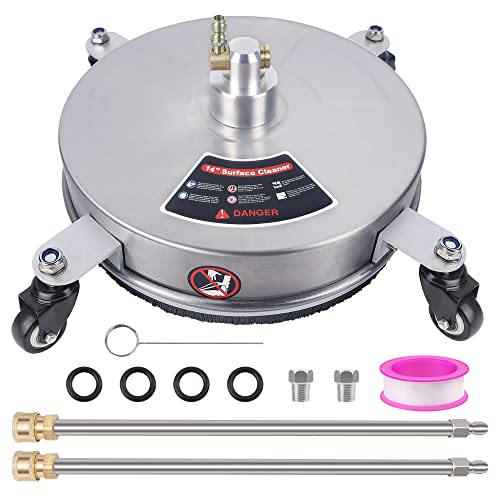
Biswing 14" Surface Cleaner with Wheels
This 14" pressure washer surface cleaner includes four wheels and dual rotating jets to clean concrete, brick, and siding faster than a standard nozzle. It requires at least 2000 PSI and 1.8 GPM, making it best for gas pressure washers.
Pros
- Wide 14-inch cleaning path
- Includes extension wands and spare nozzles
- Hover action for even cleaning
- Stainless steel build for durability
Cons
- Not for electric pressure washers under 2000 PSI
- Not compatible with garden hose
- May need adapter for some guns

CRAFTSMAN CMEPW1700 1700 PSI Pressure Washer
The CRAFTSMAN CMEPW1700 is a lightweight corded electric pressure washer designed for light-duty tasks like cleaning cars, patios, and driveways. Its compact design with onboard storage and a 35-foot power cord makes it easy to maneuver and store.
Pros
- Lightweight and portable
- Compact with onboard storage
- Long 35-foot power cord
- Kink-resistant 20-foot hose
- Soap applicator included
Cons
- Corded design requires nearby outlet
- Moderate PSI may not tackle heavy grime

Imdot 5000 PSI Electric Pressure Washer
This electric pressure washer delivers 5000 PSI and 4.0 GPM to blast away tough grime on driveways, decks, and vehicles. Its 33-foot hose and four quick-connect tips provide versatility, while the Total Stop System saves energy when not in use.
Pros
- High pressure and flow rate
- Long, compatible hose
- Versatile nozzle set
- Energy-saving auto shutoff
Cons
- No hose reel included
- Weight may limit portability

Westinghouse ePX3100 2300 PSI Pressure Washer
This compact pressure washer delivers 2300 max PSI and 1.76 GPM, with a lightweight 19-pound design and anti-tipping wheels for stability. It includes a pro-style steel wand with five quick-connect nozzles and an onboard soap tank, plus an auto-stop pump to save energy. Suitable for light-duty cleaning around the home.
Pros
- Lightweight and compact for easy storage
- Anti-tipping wheels with 360-degree steering
- Five quick-connect nozzles plus soap tank
- Auto-stop pump conserves energy and extends life
- 3-year limited parts and labor coverage
Cons
- Small onboard soap tank (20 oz) requires frequent refills
Best Pressure Washer for Driveways Buying Guide
PSI and GPM: What You Need for Driveways
Pressure washer performance is defined by PSI (pounds per square inch) and GPM (gallons per minute). For driveway cleaning, a combination of at least 2000 PSI and 1.5 GPM is generally recommended to lift embedded grime and oil.
Higher PSI helps break stubborn stains, while higher GPM speeds up rinsing. Models with adjustable pressure let you dial down for lighter cleaning on cars or decks. Our homeowner pressure washer guide covers versatile units that balance power and safety.
Keep in mind that very high PSI (over 3500) can damage asphalt or etched concrete if used incorrectly. A surface cleaner attachment spreads the spray pattern evenly, reducing the risk of streaks and surface damage.
For most residential driveways, a unit in the 2000, 3400 PSI range with 1.5, 2.0 GPM offers the sweet spot between cleaning power and control.
Electric vs. Gas: Choosing the Right Power Source
Electric pressure washers are quieter, lighter, and require less maintenance than gas models. They are ideal for driveways that are close to an outdoor outlet and for homeowners who prioritize ease of use.
Cordless models add portability for driveways without nearby power. If your driveway is large or heavily stained, a gas-powered unit with higher flow rates may be more efficient.
Compare the trade-offs in our gas pressure washer roundup and our cordless pressure washer guide.
Electric units typically produce 1500, 2300 PSI, while gas models can exceed 4000 PSI. For occasional driveway cleaning, a quality electric unit with a surface cleaner is often sufficient. For frequent heavy-duty use, gas offers more sustained power.
Remember that gas engines require fuel mixing, oil changes, and proper storage.
Surface Cleaner Attachments: Why They Matter
A surface cleaner attachment transforms a pressure washer into an efficient driveway scrubber. It uses two rotating high-pressure jets under a shroud to clean large flat areas evenly and quickly, without leaving tiger stripes.
Many of our top-rated picks include or work with a 14-inch or larger surface cleaner. Dedicated pressure washers for concrete often bundle these attachments. If your unit doesn’t come with one, consider an aftermarket model that matches your PSI rating.
Look for surface cleaners with stainless steel construction, a low-profile design for tight corners, and wheels that glide smoothly. Units with quick-connect fittings and extension wands add versatility for reaching into gutters or second-story siding.
Hose Length and Portability
A short hose forces you to move the machine frequently, slowing down driveway cleaning. Electric models with 25, 35-foot hoses offer decent reach, but for longer driveways, a 50-foot hose or the ability to connect a garden hose extension is beneficial.
Gas units often come with longer hoses and larger wheels for easier maneuverability. For tips on mobility and storage, check our small pressure washer guide for compact yet capable designs.
Onboard hose reels and storage for nozzles and wands keep the setup organized. Lightweight electric units can be carried, while gas models typically have a wheeled cart frame.
If your driveway has stairs or uneven terrain, a unit with large pneumatic tires will be easier to roll.
Build Quality and Durability
Invest in a pressure washer with a durable pump, preferably an axial cam pump for residential use or a triplex plunger pump for heavy-duty. Metal connections and a rust-resistant frame extend the machine’s life.
Brands like Westinghouse and Craftsman have strong track records, as seen in our ranked pressure washer reviews. Check for warranty length; two years or more is a sign of confidence.
For gas models, engine quality matters. Honda and Briggs & Stratton engines are widely respected. Avoid units with plastic pump heads if you plan to use the washer frequently. Regular maintenance like changing oil and cleaning the nozzle extends reliability.
Noise Level and Maintenance
Electric pressure washers operate at around 70, 80 dB, comparable to a vacuum cleaner, making them neighbor-friendly. Gas models can exceed 90 dB, so ear protection is recommended.
If you live in a quiet neighborhood or plan to clean early mornings, an electric unit is the better choice. For noise comparisons, see our electric pressure washer recommendations.
Maintenance for electric washers is minimal: flush the system after use, store in a frost-free area, and occasionally lubricate connections. Gas washers require more attention: fuel stabilizer, oil changes, spark plug checks, and carburetor cleaning if stored for months.
Consider your willingness to perform upkeep before choosing a power source.
Why You Should Trust Us
BestProducts has been helping consumers make informed purchases since 2015. We are an independent review site that earns a small commission on sales through affiliate links, but our editorial content is never influenced by manufacturers or retailers.
We do not conduct our own product trials; our evaluations are grounded in research, published data, expert review consensus, and verified buyer feedback.
Each product in this guide has been scored on our 0-to-10 BP Scale based on a consistent set of criteria including performance, build quality, user satisfaction, and value. Our team monitors the market daily to keep recommendations current.
For more on how we evaluate, explore our Garden & Patio category for related outdoor cleaning tools.
Final Thoughts
- Best Overall: KEEPEAK Cordless Pressure Washer, This portable handheld unit earns the top spot with a near-perfect BP Score, offering 1450 PSI and dual 4.0Ah batteries for cordless convenience. Verified buyers praise its power for light to medium driveway stains and its ability to reach remote areas without an outlet.
- Best Electric for Heavy Cleaning: Westinghouse WPX3400e, With 3400 max PSI and 2.0 GPM, this brushless motor electric washer tackles stubborn oil and algae on large driveways. Its onboard soap tank and five-nozzle set add versatility. Expert consensus highlights its quiet operation and consistent pressure.
- Best Budget Electric: Westinghouse ePX3050, Delivering 2100 PSI and a foam cannon at an affordable price, this model is a great value for homeowners who need a reliable driveway cleaner without breaking the bank. It scores well for ease of use and build quality.
- Best Surface Cleaner Attachment: LidoDola 14″ Pressure Washer Surface Cleaner, This stainless steel attachment with four wheels and two extension wands makes driveway cleaning fast and streak-free. It earns a 9.8 BP Score for its effective design and compatibility with most pressure washers up to 4000 PSI.
- Best Gas Power: IvyBess 4200 PSI Gas Pressure Washer, For the toughest jobs, this 212cc gas unit provides commercial-grade flow and pressure. It is ideal for large driveways, patios, and siding. Users report excellent cleaning power and solid construction.
For more specialized needs, browse our pressure washers under $150 and semipro pressure washer picks.
Frequently Asked Questions
What PSI is best for cleaning a driveway?
Most driveways require at least 2000 PSI to remove embedded dirt and stains. For concrete, 2500, 3000 PSI is ideal; for asphalt, keep below 3000 PSI to avoid surface damage. A surface cleaner attachment helps distribute pressure evenly.
If you are unsure about your driveway material, consult our residential pressure washer guide for tailored advice.
Can I use a pressure washer on asphalt driveways?
Yes, but with caution. Asphalt is softer than concrete and can be damaged by a concentrated jet. Use a wide spray pattern (40° nozzle or surface cleaner) and keep the nozzle moving. Avoid high pressure settings above 3000 PSI.
Many electric units with adjustable pressure are safe for asphalt. For more details, see our home pressure washer tips.
Do I need a surface cleaner for my pressure washer?
A surface cleaner is highly recommended for driveway cleaning. It eliminates streaking, speeds up the job, and reduces the risk of damaging the surface. Most of our top picks either include one or are compatible with aftermarket models.
Dedicated attachments like the LidoDola 14″ or Hourleey 14″ perform exceptionally well. Our replacement pump guide also covers maintenance for long-term use.
How often should I pressure wash my driveway?
Once a year is sufficient for most driveways, but if you live in a damp climate or have trees that drop sap, twice a year may be needed.
Regular cleaning prevents stains from setting and extends the life of the surface. Use a mild detergent and a low-pressure rinse for routine maintenance. For seasonal cleaning tips, browse our lawn mower guide for complementary outdoor care.
Is electric or gas better for driveway cleaning?
Electric washers are quieter, lighter, and require less maintenance, making them ideal for moderate driveway cleaning. Gas models offer higher pressure and flow for heavy stains and larger areas.
Your choice depends on driveway size, stain severity, and willingness to perform engine maintenance. For a balanced perspective, see our commercial pressure washer guide and our petrol pressure washer roundup.
About the author
Liam covers pressure washers, grills, and smokers for BestProducts, judging cleaning power, heat control, and builds that survive a season outdoors. He helps readers restore a driveway and cook well in the backyard.