The Best IPS Monitor
From compact portables to 4K gaming screens, our research-backed guide ranks the best IPS monitors for every use. Find the perfect panel for your desktop with expert analysis and verified buyer feedback.
 By Irene Hopkins
Updated September 11, 2026
By Irene Hopkins
Updated September 11, 2026
IPS (In-Plane Switching) LCD panels have become the default choice for both office productivity and casual gaming thanks to their wide viewing angles, consistent color reproduction, and fast response times.
Whether you are upgrading your home desk setup, looking for a secondary screen, or building a multi-monitor workstation, a high-quality IPS monitor can dramatically improve your daily computing experience.
In this guide, we have evaluated the top picks in the category using a consistent research methodology, analyzing specifications, expert review consensus, and verified buyer feedback, to help you find the best IPS monitor for your needs and budget.
Below you will find our curated list of top-rated IPS monitors, ranging from compact portable displays to large high-refresh-rate gaming screens. Each model has been scored on our 10-point BP Score and is ranked accordingly.
For a deeper dive into what makes a great IPS monitor, read on to our comprehensive buying guide.
| Award | Product | BP Score About BP ScoreThe BP Score is our own rating from 0 to 10, based on performance, design and build, ease of use, and value. It reflects independent research and is never influenced by manufacturers, retailers, or affiliate commissions. Learn more › | Price | |
|---|---|---|---|---|
| Best Value |
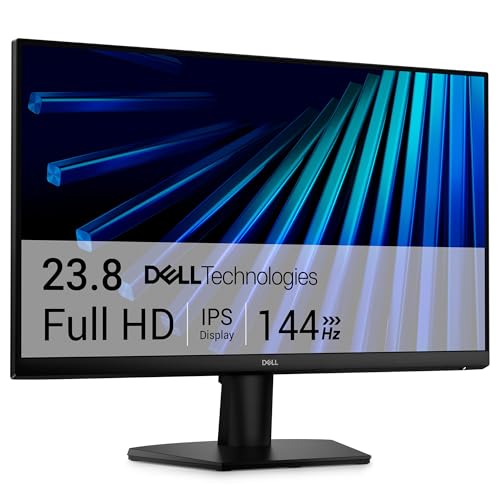 Dell SE2426H 23.8-inch IPS 144Hz Monitor
|
9.9/10 | $99.99 | Buy |
| Best Premium |
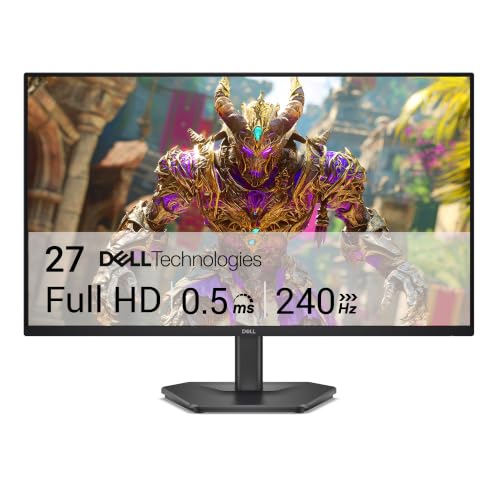 Dell SE2726HG 27-inch FHD 240Hz IPS Gaming Monitor
|
9.9/10 | $109.99 | Buy |
| Best Overall |
 MNN 15.6" FHD USB-C Portable Monitor
|
9.9/10 | $49.99 | Buy |
 Acer KB272 G0bi 27" 120Hz IPS Monitor
|
9.9/10 | $99.99 | Buy | |
 Samsung Odyssey G5 32-Inch QHD Gaming Monitor
|
9.9/10 | $219.99 | Buy | |
| Best Budget |
 Acer KB242Y G0bi 23.8-inch IPS 120Hz Monitor
|
9.8/10 | $79.99 | Buy |
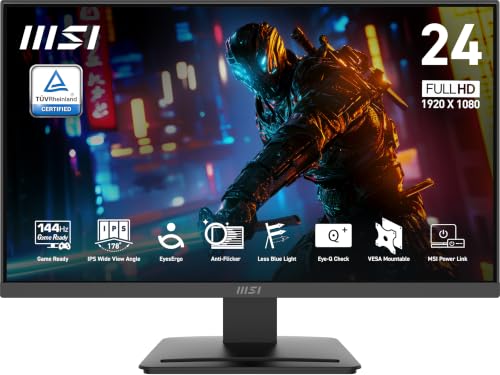 MSI PRO MP243L 24-Inch 144Hz IPS Monitor
|
9.8/10 | $79.99 | Buy | |
 Dell SE2726H 27-inch 144Hz IPS Monitor
|
9.6/10 | $108.99 | Buy | |
 Dell S2725QS 27-Inch 4K 120Hz IPS
|
9.6/10 | $249.99 | Buy | |
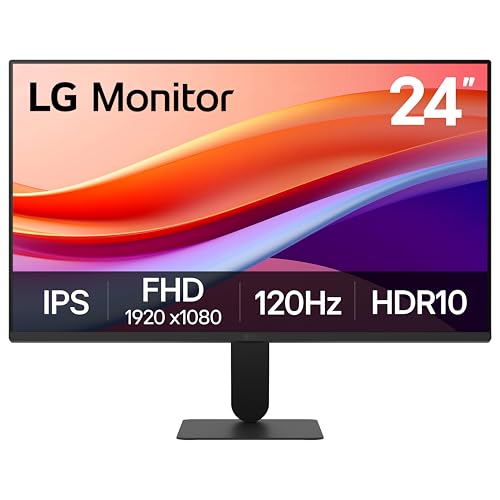 LG 24U411A-B 24-inch 120Hz IPS Monitor
|
9.5/10 | $89.99 | Buy |
Dell SE2426H 23.8-inch IPS 144Hz Monitor
This Dell monitor combines a 144Hz refresh rate and 1ms MPRT for fluid motion across work and gaming. Its IPS panel provides wide 178-degree viewing angles and consistent color, while TUV 3-star certification reduces blue light without sacrificing color quality.
Pros
- High 144Hz refresh rate for smooth motion
- Fast 1ms MPRT reduces motion blur
- IPS panel delivers accurate colors
- TUV certified low blue light eye comfort
- Thin bezels for immersive viewing
Cons
- Only 1920x1080 resolution
- No built-in speakers
- Limited ergonomic adjustability (tilt only)
Dell SE2726HG 27-inch FHD 240Hz IPS Gaming Monitor
This 27-inch gaming monitor from Dell packs a 240Hz refresh rate and 0.5ms response time for exceptionally smooth gameplay. With FreeSync Premium and 99% sRGB coverage, it's a solid choice for competitive gamers who value both speed and color accuracy.
Pros
- Excellent 240Hz performance for competitive gaming
- Fast 0.5ms response time reduces motion blur
- FreeSync Premium works with PC and console
- Accurate colors with 99% sRGB coverage
- Eye comfort certification without sacrificing color
Cons
- Only FHD resolution on a 27-inch panel
- Limited ergonomics (tilt only, no height adjust)
- No built-in speakers or USB hub
MNN 15.6" FHD USB-C Portable Monitor
This portable monitor delivers a crisp 1080p IPS display and simplified connectivity via dual USB-C ports. Its smart cover doubles as a stand, making it a convenient second screen for travelers and remote workers on the go.
Pros
- Full HD IPS panel with HDR support
- Plug-and-play dual USB-C ports
- Lightweight and ultra-slim design
- Protective smart cover acts as stand
- Multiple display modes (copy, extend, portrait)
Cons
- Requires USB-C DP Alt Mode or Thunderbolt 3
- No built-in battery for true portability
- Glossy screen can cause glare in bright light
Acer KB272 G0bi 27" 120Hz IPS Monitor
This 27-inch IPS monitor from Acer delivers a 120Hz refresh rate and 1ms response time, making it a solid budget-friendly choice for casual gamers. FreeSync compatibility helps reduce screen tearing, though the 250-nit brightness is average for indoor use. It's a straightforward option for smooth motion without premium extras.
Pros
- 120Hz refresh rate for smooth motion
- 1ms response time minimizes ghosting
- Adaptive-Sync (FreeSync) reduces tearing
- IPS panel provides wide viewing angles
- Full HD resolution is sharp for everyday use
Cons
- 250-nit brightness is modest
- No built-in speakers
Samsung Odyssey G5 32-Inch QHD Gaming Monitor
This 32-inch QHD gaming monitor from Samsung combines a 180Hz refresh rate with 1ms response time and IPS panel for smooth, vivid gameplay. HDR10 and Black Equalizer improve visibility in dark scenes, and the ergonomic stand adjusts for comfort.
Pros
- High 180Hz refresh rate
- Fast 1ms response time
- QHD resolution for sharp details
- Wide 178° viewing angle
- Ergonomic stand adjustments
Cons
- Limited to 32-inch size only
- HDR10 without local dimming
Acer KB242Y G0bi 23.8-inch IPS 120Hz Monitor
This Acer monitor combines a 120Hz refresh rate with a 1ms response time and Adaptive-Sync support, making it a solid choice for smooth gaming and video playback on a full HD IPS panel. Its zero-frame design maximizes screen real estate, appealing to budget-conscious users who want fast performance without a high price tag.
Pros
- 120Hz refresh rate for smooth motion
- 1ms VRB response time reduces blur
- Adaptive-Sync (FreeSync) compatible
- IPS panel for wide viewing angles
- Zero-frame design for edge-to-edge view
Cons
- Moderate 250 nits brightness
- Limited to 1920x1080 resolution
MSI PRO MP243L 24-Inch 144Hz IPS Monitor
This 24-inch Full HD IPS monitor combines a 144Hz refresh rate with FreeSync and 1ms response for smooth gaming, while its TUV certified flicker-free and low blue light features reduce eye strain during long work sessions. The tiltable stand and VESA mount offer flexible setup, and the inclusion of both HDMI 2.0 and VGA ports ensures compatibility with modern and legacy devices.
Pros
- 144Hz refresh rate for fluid motion
- FreeSync eliminates screen tearing
- 1ms response time for fast action
- IPS panel with wide 178-degree viewing angles
- TUV certified flicker-free and low blue light
Cons
- No DisplayPort input
- Only Full HD resolution, not 4K
- Lacks USB ports for peripherals
Dell SE2726H 27-inch 144Hz IPS Monitor
A 27-inch FHD monitor with a 144Hz refresh rate and 1ms MPRT that balances smooth motion for gaming and streaming with productive work use. Its IPS panel provides wide viewing angles and consistent color accuracy, while TUV 3-star eye comfort certification reduces blue light without sacrificing color quality.
Pros
- Smooth 144Hz refresh rate
- Fast 1ms MPRT response
- Accurate IPS color and viewing angles
- Reduces eye strain with TUV certification
- Thin bezels for multi-monitor setups
Cons
- Only FHD resolution on 27-inch
- Limited ergonomic tilt adjustment only
- No built-in speakers or USB ports
Dell S2725QS 27-Inch 4K 120Hz IPS
A 27-inch 4K IPS monitor with a 120Hz refresh rate and AMD FreeSync Premium for smooth visual performance. Its ComfortView Plus reduces blue light while maintaining color accuracy, and the built-in speakers offer improved audio. Ideal for mixed productivity and light gaming, though the 99% sRGB coverage limits high-end color work.
Pros
- 4K resolution with 120Hz refresh rate
- AMD FreeSync Premium for tear-free gaming
- ComfortView Plus reduces blue light without color shift
- Ultra-thin bezels for a sleek design
- Improved built-in speakers with deeper sound
Cons
- 99% sRGB coverage not suitable for professional color work
- HDR readiness is basic, not full HDR certification
LG 24U411A-B 24-inch 120Hz IPS Monitor
This LG monitor combines a fast 120Hz refresh rate with IPS color accuracy and HDR10 support, making it a solid choice for both productivity and casual gaming. Its virtually borderless design and tilt-adjustable stand help keep your workspace clean and comfortable.
Pros
- 120Hz refresh rate smooths motion
- IPS panel offers wide viewing angles
- 1ms MBR reduces blur in games
- Reader Mode lowers blue light
- Slim bezels suit multi-monitor setups
Cons
- Only 24-inch screen size
- No built-in speakers
- Limited adjustability (tilt only)
Best Ips Monitor Buying Guide
Resolution and Screen Size
The resolution and physical size of a monitor directly affect how much content you can display and how sharp it looks.
Full HD (1920×1080) at 24 or 27 inches remains the most common combination for everyday use and offers an excellent balance of sharpness and affordability.
If you need more screen real estate for spreadsheets, design work, or gaming, QHD (2560×1440) provides a noticeable step up in detail. For professional photo or video editing, 4K UHD (3840×2160) panels are increasingly available at accessible prices.
When choosing a size, consider your desk depth and viewing distance: a 27-inch 1080p panel may look slightly pixelated if you sit close, while a 24-inch 4K screen can make text very small without scaling.
For compact desks or travel, portable 15.6-inch IPS monitors offer surprising utility. These USB-C powered displays are ideal for extending a laptop’s screen on the go.
If a secondary screen is what you need, our roundup of portable monitors covers the best options across different budgets.
Refresh Rate and Response Time
Refresh rate determines how many times per second the screen updates its image, measured in Hertz (Hz). A standard 60 Hz IPS monitor is sufficient for office work, web browsing, and watching videos.
However, once you experience a 120 Hz or 144 Hz panel, even everyday mouse movements feel smoother. For competitive gaming, higher refresh rates reduce motion blur and give a tangible advantage.
Most modern IPS panels deliver a 1 ms to 5 ms gray-to-gray response time, which is fast enough to avoid ghosting in fast-paced games. Pairing a high-refresh-rate IPS monitor with a capable graphics card ensures you can drive those frames consistently.
Many of the IPS monitors in our list offer 120 Hz, 144 Hz, or even 240 Hz refresh rates while maintaining excellent color accuracy.
If you are a competitive gamer seeking maximum smoothness, a 240 Hz IPS panel is a top-tier choice, but 144 Hz remains the sweet spot for most users.
Check our dedicated guide to 144Hz 1ms monitors for more details on this popular combination.
Connectivity and Adjustability
Modern IPS monitors typically include HDMI and DisplayPort inputs, with many adding USB-C with power delivery for laptops. USB-C connectivity simplifies cable management and allows you to charge your laptop while sending video and data over a single cable.
For a clean workspace, monitors with built-in USB hubs or VESA mount compatibility let you attach the screen to an arm or wall mount, freeing up desk space.
Height-adjustable stands are a significant ergonomic benefit, reducing neck strain during long work hours. If you plan to use multiple monitors, look for thin bezels and tilt/swivel/pivot adjustments to align them seamlessly.
Built-in speakers are common on office-oriented models, but their audio quality is often basic. For immersive sound, external speakers or headphones are recommended. Our review of 27-inch monitors with speakers can help if built-in audio is a priority.
Panel Uniformity and Color Accuracy
One of the main advantages of IPS technology is its wide viewing angle, typically 178° both horizontally and vertically. Colors stay consistent even when viewing the screen from the side, making IPS ideal for collaborative work or sharing your screen.
For color-critical tasks like photo editing, graphic design, or video production, look for monitors that cover 99% or more of the sRGB color space and offer factory calibration. Professional-grade IPS monitors often support wider gamuts like DCI-P3 or Adobe RGB.
Budget IPS panels may exhibit some backlight bleed or uniformity issues, but at typical usage brightness, these are rarely noticeable. Our selection includes models that have received positive feedback in expert reviews for consistent brightness and color performance.
If you need a monitor specifically for creative work, explore our business monitors guide for ergonomic and color-accurate options.
Budget Considerations
IPS monitors are available across a wide price range, from under $50 for a portable 15.6-inch model to several hundred dollars for a 4K high-refresh-rate panel.
Generally, you get what you pay for in terms of resolution, refresh rate, build quality, and ergonomic stand. For a basic home or office setup, a 24-inch 1080p 60 Hz IPS monitor can be found at very competitive prices.
Stepping up to a 27-inch 1080p 120 Hz or 144 Hz model adds fluidity without breaking the bank. Gamers on a tight budget should consider the cheapest monitors that still offer IPS panels with decent response times.
Remember that a monitor is a long-term investment; spending a little more on a model with better connectivity, adjustable stand, and higher refresh rate can extend its lifespan across multiple computer upgrades.
For those seeking a compact secondary screen, our guide to small monitors covers sizes that fit tight spaces.
Why You Should Trust Us
BestProducts is an independent review site dedicated to helping you find the best products for your needs. We do not accept payment for positive reviews, and our recommendations are based solely on thorough research.
Each product in this guide has been evaluated using our consistent BP Score from 0 to 10, which considers specifications, expert review consensus, verified buyer feedback, and published data.
We do not conduct our own product trials; our evaluations are grounded in research, published data, expert review consensus, and verified buyer feedback.
Our team monitors hundreds of reviews across the web and aggregates the most reliable opinions to give you a clear picture. For more on our methodology, visit our Computers & Office section.
Final Thoughts
After evaluating the top IPS monitors on the market, we have selected the following award winners:
Best Overall: Dell 24 Monitor – SE2426H, This 23.8-inch FHD IPS panel delivers a smooth 144 Hz refresh rate, a fast 1 ms response time, and AMD FreeSync support at a very accessible price.
Its combination of performance and value earned the highest BP Score among all models we reviewed.
Best for Gaming: Dell 27 240Hz Gaming Monitor – SE2726HG, With a 240 Hz refresh rate and IPS technology, this 27-inch FHD monitor is built for competitive gamers who need the smoothest possible motion.
It supports AMD FreeSync Premium and features a TÜV 3-Star certified low-blue-light mode.
Best Portable: MNN 15.6″ FHD Portable Monitor, A lightweight, USB-C powered IPS display that is perfect for extending a laptop’s workspace on the road. It offers 60 Hz refresh rate and HDR compatibility at a budget-friendly price.
Best Value 27-Inch: Acer 27in FHD IPS 120Hz Monitor – KB272 G0bi, This 27-inch FHD panel provides a 120 Hz refresh rate, making it an excellent choice for both office work and casual gaming without spending a premium.
It earned a near-perfect BP Score for its price-to-performance ratio.
Best for Professional Use: Dell 27 Monitor S2725QS, A 4K UHD IPS monitor with 120 Hz refresh rate and FreeSync Premium, this model is ideal for creative professionals who need sharp detail and smooth motion. It covers a wide color gamut and offers extensive ergonomic adjustments.
Frequently Asked Questions
What is an IPS monitor?
An IPS (In-Plane Switching) monitor uses a type of LCD panel technology known for its wide viewing angles, accurate colors, and consistent brightness across the screen.
Unlike older TN panels, IPS displays maintain image quality even when viewed from the side, making them ideal for collaborative work, creative tasks, and gaming where color fidelity matters.
Is IPS better than VA or TN for gaming?
IPS panels generally offer superior color accuracy and viewing angles compared to VA (Vertical Alignment) and TN (Twisted Nematic) panels. For fast-paced gaming, modern IPS panels have response times as low as 1 ms, rivaling TN.
VA panels have better contrast ratios (deeper blacks) but can suffer from slower response times and narrower viewing angles. IPS is the most versatile choice for gamers who also use the monitor for work or media consumption.
For a dedicated gaming setup, check out our guide to PS5 monitors for consoles.
What refresh rate should I choose for gaming on an IPS monitor?
For casual gaming, a 60 Hz IPS monitor is perfectly adequate. However, a 120 Hz or 144 Hz panel provides a noticeably smoother experience, especially in fast-moving genres like first-person shooters or racing games.
Competitive gamers who prioritize every millisecond should consider 240 Hz or even 360 Hz IPS displays. The choice also depends on your graphics card’s ability to maintain high frame rates at the monitor’s resolution.
If you have a mid-range GPU, 1440p 144 Hz or 1080p 240 Hz are excellent targets. See our recommendations for 1440p gaming monitors for a balance between resolution and speed.
Can an IPS monitor be used for professional photo or video editing?
Yes, many IPS monitors are excellent for color-critical work. Look for models that cover at least 99% sRGB and optionally DCI-P3 or Adobe RGB. Factory calibration is a plus.
IPS panels offer consistent colors across the screen, which is crucial for editing. For 4K editing needs, a 27-inch or larger IPS monitor with high pixel density is recommended.
Our 27-inch 1440p gaming monitors guide also includes options suitable for creative professionals due to their color accuracy and high resolution.
Are cheap IPS monitors worth buying?
Budget IPS monitors can be excellent value, especially if you do not need high refresh rates or 4K resolution. Many affordable 24-inch 1080p IPS models offer good color and viewing angles for everyday computing, web browsing, and office work.
However, they may compromise on build quality, stand adjustability, and peak brightness. For a secondary screen or a student setup, a cheap IPS monitor can be a smart purchase.
To learn about the most affordable options, explore our 1080p 24-inch monitor roundup.
How do I clean an IPS monitor safely?
Always power off the monitor before cleaning. Use a soft, lint-free microfiber cloth slightly dampened with distilled water or a specialized screen cleaner. Never spray liquid directly onto the panel; apply it to the cloth first.
Gently wipe the screen in a circular motion, avoiding excessive pressure. Do not use paper towels, alcohol, ammonia, or abrasive cleaners, as they can damage the anti-glare coating.
For stubborn smudges, a small amount of isopropyl alcohol mixed with water (50/50) is safe for modern IPS panels, but check your manufacturer’s guidelines first.
About the author
Irene reviews desktop PCs and monitors for BestProducts, weighing performance, upgradability, and panel quality for work and home. She helps readers build a desk setup that stays fast and comfortable for years.